Research Articles
Automating Trust: How AI and Computational Pipelines Are Revolutionizing Data Quality in Ecotoxicology
The exponential growth of ecotoxicological data, driven by high-throughput methods and environmental sensor networks, has rendered traditional manual quality assurance (QA) and quality control (QC) processes unsustainable.
Ensuring Scientific Integrity: A Comprehensive Guide to Data Quality Assessment in Modern Ecotoxicity Studies
This article provides a targeted guide for researchers and drug development professionals on the critical importance of data quality assessment (DQA) in ecotoxicity studies.
Beyond the Notebook: How Modern ELNs Unlock Critical Insights in Ecotoxicology and Drug Safety
This article provides a comprehensive guide for researchers and drug development professionals on leveraging Electronic Lab Notebooks (ELNs) to address the complex data challenges of modern ecotoxicology.
Ensuring Data Integrity: A Comprehensive Guide to GLP Compliance in Ecotoxicology Studies
This article provides researchers, scientists, and drug development professionals with a comprehensive framework for understanding and applying Good Laboratory Practice (GLP) principles to ecotoxicity studies.
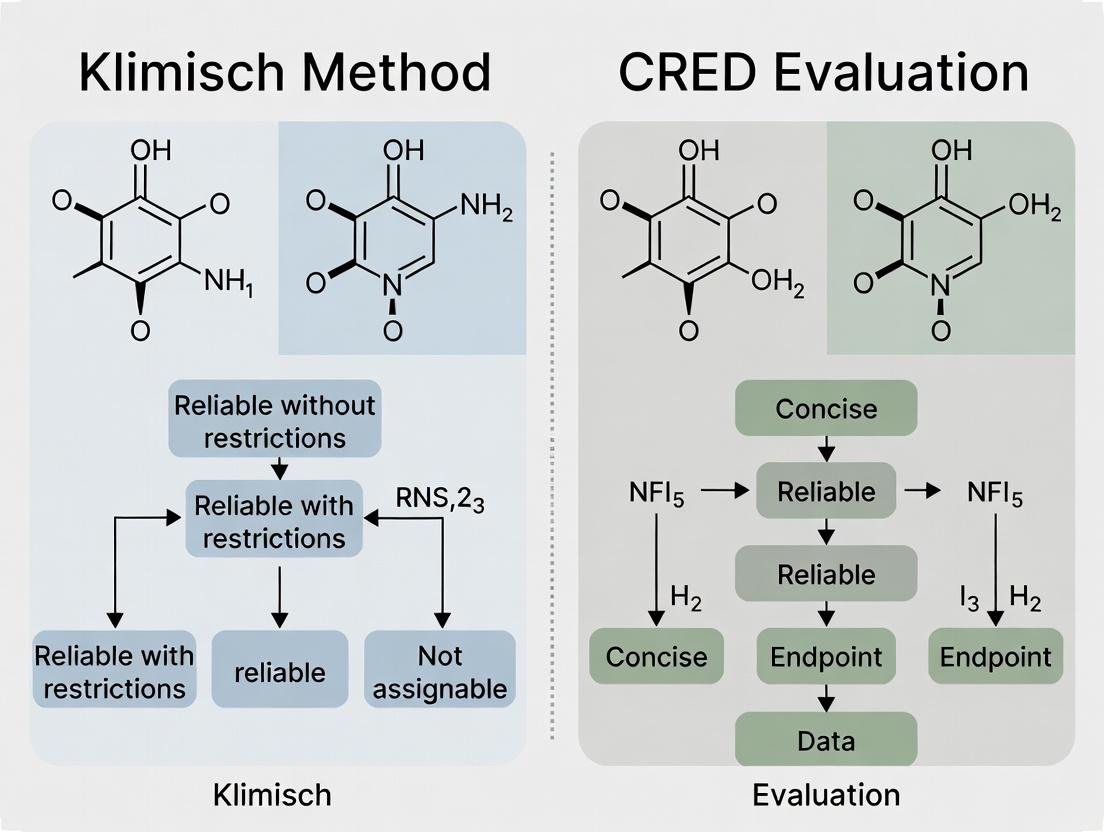
CRED vs Klimisch: Advancing Reliability and Relevance in Ecotoxicity Data Evaluation
This article provides a comprehensive comparison of the Klimisch and CRED methods for evaluating the reliability and relevance of ecotoxicity studies, targeting researchers, scientists, and drug development professionals.
CRED Evaluation Method: Ensuring Reliability and Relevance in Ecotoxicity Data Assessment
This article provides a comprehensive overview of the CRED (Criteria for Reporting and Evaluating Ecotoxicity Data) method, a standardized framework for assessing the reliability and relevance of aquatic ecotoxicity studies.
The Essential Guide to PARCCS: Ensuring Data Quality and Reliability in Modern Ecotoxicology
This article provides a comprehensive examination of the PARCCS framework—encompassing Precision, Accuracy, Representativeness, Comparability, Completeness, and Sensitivity—as fundamental data quality indicators in ecotoxicology.

Beyond Animal Models: The Scientific and Ethical Future of Ecotoxicology Testing
This article provides a comprehensive review of the ethical and scientific paradigm shift towards non-animal methodologies (NAMs) in ecotoxicology and biomedical research.
Ensuring Scientific Rigor: A Strategic Framework for Data Quality Objectives in Ecotoxicology Research and Regulation
This article provides a comprehensive guide to Data Quality Objectives (DQOs) for researchers, scientists, and drug development professionals in ecotoxicology.
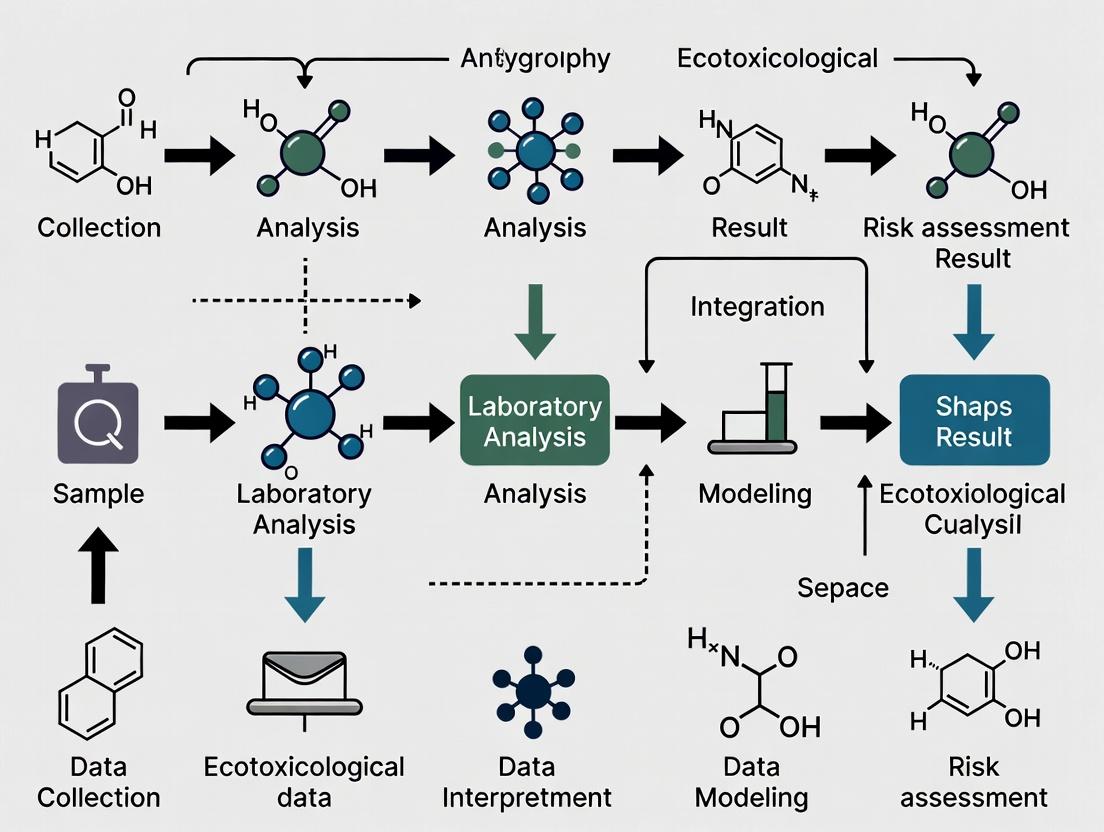
Ecotoxicology Data Management: Best Practices for Robust Research, Regulatory Compliance, and Future-Proof Science
This article provides a comprehensive guide to modern ecotoxicology data management, tailored for researchers, scientists, and drug development professionals.