The Complete Guide to ECVAM Validation: Accelerating Drug Development with Alternative Methods
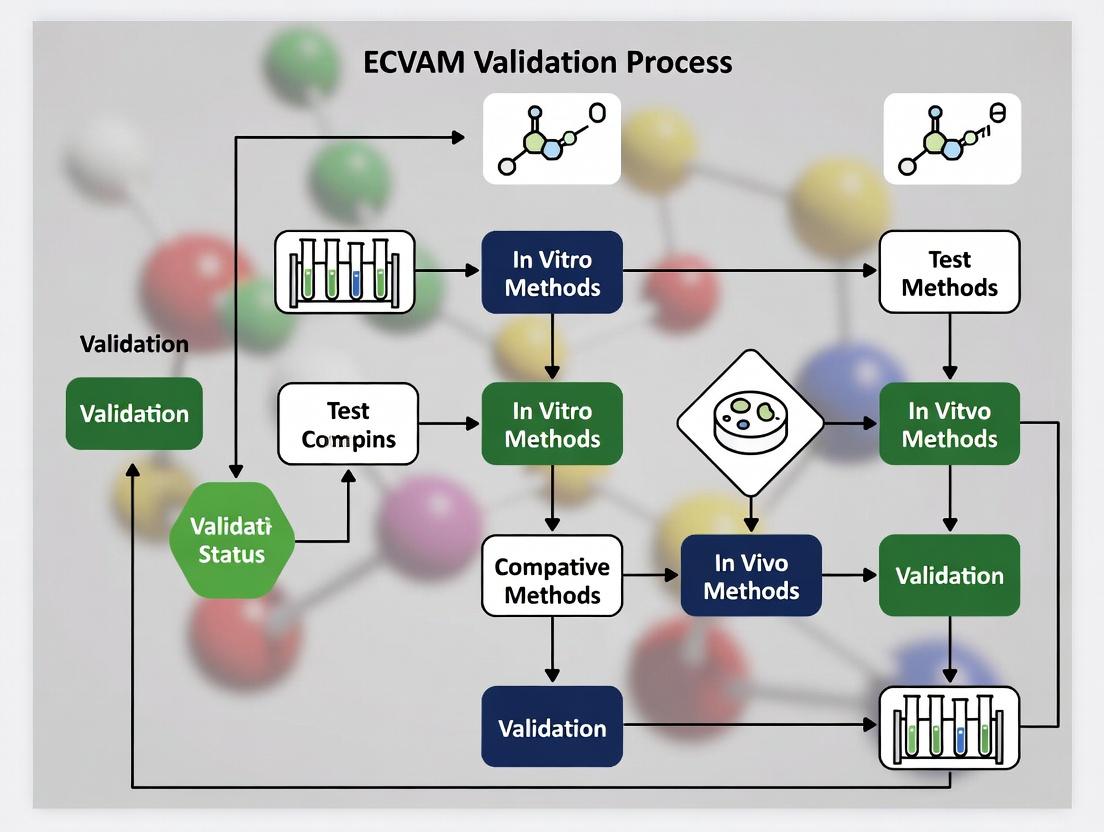
This guide provides researchers, scientists, and drug development professionals with a comprehensive overview of the European Centre for the Validation of Alternative Methods (ECVAM) validation process.
The Complete Guide to ECVAM Validation: Accelerating Drug Development with Alternative Methods
Abstract
This guide provides researchers, scientists, and drug development professionals with a comprehensive overview of the European Centre for the Validation of Alternative Methods (ECVAM) validation process. It details the core principles, step-by-step methodology, common troubleshooting strategies, and comparative frameworks for assessing alternative methods to animal testing. By exploring the rigorous validation pathway from submission to acceptance, this article aims to equip professionals with the knowledge to successfully develop and implement robust, reliable, and regulatory-ready non-animal testing strategies.
What is ECVAM? Understanding the Foundation of Alternative Method Validation
ECVAM's Mission and Role within the European Union's Regulatory Landscape
Mission and Strategic Role
The European Centre for the Validation of Alternative Methods (ECVAM) is a unit within the European Commission's Joint Research Centre. Its core mission, as mandated by Directive 2010/63/EU, is to promote the development, validation, and regulatory acceptance of non-animal testing methods (New Approach Methodologies - NAMs) across the EU. ECVAM coordinates the independent scientific validation of alternative methods, ensures their regulatory uptake via inclusion in EU test guidelines and legislation, and functions as a knowledge hub for stakeholders.
ECVAM Validation Process: A Thesis Framework
This article is framed within a thesis examining the critical role of ECVAM's formal validation process in transforming promising in vitro or in silico research into regulatory-ready tools. This process ensures that methods are scientifically reliable (reproducible, robust) and relevant for specific regulatory safety or efficacy assessments.
Publish Comparison Guides
Guide 1: Comparison of Skin Irritation Test Methods
Objective: Compare the performance of validated in vitro skin irritation assays against the historical in vivo rabbit skin irritation test.
Supporting Experimental Data & Validation Summary:
| Test Method | Underlying Principle | Predictive Model | Accuracy (vs. In Vivo) | Throughput | Regulatory Acceptance | Key Endpoint Measured |
|---|---|---|---|---|---|---|
| In Vivo (Draize Rabbit Test) | Application to rabbit skin; visual scoring of erythema/eschar and oedema. | Classification (Irritant/Non-Irritant). | Reference Standard | Low | OECD TG 404 (to be phased out) | Mean scores of skin reactions. |
| Reconstructed Human Epidermis (RHE) Model (e.g., EpiDerm, EpiSkin) | Chemical exposure on 3D human skin models; cell viability measurement via MTT assay. | Cell viability ≤ 50% → Irritant (GHS Category 2). | ~90% sensitivity, ~80% specificity (ECVAM-validated) | High | OECD TG 439, EU Annex to CLP | Percent cell viability. |
| Open Source Reconstructed Epidermis (OS-REp) | Non-proprietary RHE model; MTT assay. | As above. | Comparable to proprietary RHE (peer-reviewed) | High | Under review | Percent cell viability. |
Detailed Methodology for RHE Test (OECD TG 439):
- Tissue Pre-incubation: RHE models are equilibrated in maintenance medium for ≥1 hour.
- Test Substance Application: 25 µL of liquid or 25 mg of solid substance is applied topically to the tissue surface.
- Exposure: Tissues are incubated with the substance for precisely 35 minutes at 20-23°C.
- Post-treatment: Substance is carefully removed by rinsing and blotting.
- Viability Assessment: Tissues are transferred to MTT solution (0.3-1 mg/mL) and incubated for 3 hours. The formed blue formazan salts are extracted with isopropanol.
- Quantification: The optical density (OD) of the extract is measured at 570 nm. Viability is calculated as a percentage of the mean OD of negative control tissues.
- Prediction Model: If mean viability ≤ 50%, the substance is classified as an irritant (UN GHS Category 2).
Guide 2: Comparison of Genotoxicity Testing Batteries
Objective: Compare traditional in vitro genotoxicity assays with advanced, mechanistic NAMs that reduce false positives.
Supporting Experimental Data & Validation Status:
| Test Method | Test System | Endpoint | High Sensitivity (Carcinogen Detection) | Specificity (Low False Positives) | Regulatory Status | Key Advantage/Limitation |
|---|---|---|---|---|---|---|
| Bacterial Reverse Mutation Test (Ames) | Salmonella/E. coli strains. | Gene mutation. | High (~80-90%) | High | OECD TG 471 | Core battery; limited to prokaryotic system. |
| In Vitro Mammalian Cell Micronucleus Test | Human TK6 or CHO cells. | Chromosomal damage. | High | Moderate (~60-70%) | OECD TG 487 | Core battery; prone to irrelevant positive results. |
| γH2AX In Vitro Assay | Human cell lines (e.g., HepG2). | DNA double-strand breaks (phospho-Histone H2AX foci). | High (Mechanistic) | Under evaluation (promising) | ECVAM ongoing validation | Mechanistic, quantitative, faster. |
| In Vitro Pig-a Gene Mutation Assay | Human or rodent cells. | Somatic gene mutation (CD59-/CD55- phenotype). | High (Mechanistic) | High (expected) | ECVAM validation study complete | Measures in vivo-relevant mutation in vitro. |
Detailed Methodology for In Vitro Micronucleus Test (OECD TG 487):
- Cell Culture & Exposure: Appropriate cells (e.g., TK6) are exposed to test substances over a defined concentration range, with/without metabolic activation (S9 mix), for 1.5-3 hours (short treatment) or 1.5-2 cell cycles (continuous treatment).
- Cytokinesis Block: Cytochalasin B is added to arrest cells after one division (binucleated cells).
- Harvest & Fixation: Cells are harvested, subjected to a mild hypotonic treatment, and fixed onto slides.
- Staining: Slides are stained with DNA-specific fluorescent dyes (e.g., DAPI, Acridine Orange).
- Analysis: A minimum of 2000 binucleated cells per culture are scored microscopically for the presence of micronuclei. The frequency of micronucleated binucleated cells (MNBNC) is calculated.
- Criteria: A statistically significant, concentration-related increase in MNBNC frequency indicates a positive clastogenic or aneugenic effect.
Experimental Pathway & Workflow Visualizations
ECVAM Validation Process Workflow
In Vitro Skin Irritation Test Pathway
The Scientist's Toolkit: Key Research Reagent Solutions for NAMs
| Research Reagent / Material | Function in NAM Experiments | Example Application |
|---|---|---|
| Reconstructed Human Epidermis (RHE) | 3D in vitro model mimicking human skin barrier function and response. | Skin corrosion/irritation testing (OECD TG 431, 439). |
| Metabolic Activation System (S9 Mix) | Post-mitochondrial fraction from rodent liver providing xenobiotic metabolism. | In vitro genotoxicity assays to detect pro-mutagens. |
| MTT (3-(4,5-Dimethylthiazol-2-yl)-2,5-diphenyltetrazolium bromide) | Yellow tetrazole reduced to purple formazan by viable cell mitochondria; measures cell viability. | Endpoint in cytotoxicity and tissue viability assays. |
| Cytokinesis-Block Agent (Cytochalasin B) | Inhibits actin polymerization, blocking cytoplasmic division to create binucleated cells. | In vitro micronucleus assay (OECD TG 487) for accurate scoring. |
| Fluorescent DNA-binding Dyes (DAPI, Acridine Orange) | Bind specifically to DNA, enabling visualization of nuclei and micronuclei. | Scoring chromosomal damage in micronucleus and comet assays. |
| Cryopreserved Primary Hepatocytes | Gold-standard in vitro model for hepatotoxicity and metabolism studies. | Hepatotoxicity screening, metabolic stability, enzyme induction studies. |
| qPCR Arrays (e.g., Tox Pathway-focused) | Multi-gene profiling to evaluate expression changes in toxicologically relevant pathways. | Mechanistic toxicity assessment, biomarker identification. |
Within the European regulatory landscape, the development and validation of alternative methods to animal testing are primarily driven by the ethical framework of the 3Rs (Replacement, Reduction, Refinement) and stringent legislative mandates. The European Centre for the Validation of Alternative Methods (ECVAM) plays a central role in coordinating the validation of these methods to ensure their scientific and regulatory acceptance. This guide compares the performance and applicability of key validated alternative methods within the contexts of REACH (Registration, Evaluation, Authorisation and Restriction of Chemicals) and the Cosmetics Regulation (EC No 1223/2009), which mandates a complete ban on animal-tested cosmetics.
Comparison of Key In Vitro Assays for Regulatory Endpoints
The following table summarizes the performance characteristics of OECD-validated in vitro methods compared to traditional in vivo tests for critical toxicity endpoints under EU legislation.
Table 1: Performance Comparison of Validated Alternative Methods for Key Endpoints
| Regulatory Endpoint | Validated Alternative Method (OECD TG) | Traditional In Vivo Method | Predictive Accuracy (vs. In Vivo) | Throughput Time | Key Applicable Legislation |
|---|---|---|---|---|---|
| Skin Corrosion | In vitro skin corrosion: reconstructed human epidermis (RHE) models (OECD TG 431) | Rabbit Skin Corrosion Test (OECD TG 404) | Sensitivity: ~95%, Specificity: ~100% | 3-4 hours vs. up to 14 days | REACH, Cosmetics Regulation |
| Skin Irritation | In vitro skin irritation: reconstructed human epidermis (RHE) models (OECD TG 439) | Rabbit Skin Irritation Test (OECD TG 404) | Sensitivity: ~80%, Specificity: ~70% | 3-4 hours vs. up to 72 hours | Cosmetics Regulation (mandated) |
| Eye Serious Damage/Irritation | Short Time Exposure In Vitro Test Method (OECD TG 491) | Draize Rabbit Eye Test (OECD TG 405) | For identifying Cat. 1: 90%, Cat. 2: 71% | 1 day vs. up to 21 days | REACH (as part of WoE), Cosmetics Reg. |
| Genotoxicity (Ames Test) | Bacterial Reverse Mutation Test (OECD TG 471) | In vivo rodent micronucleus test | High concordance for mutagenicity; used as first tier | 3 days vs. several weeks | REACH, Cosmetics Regulation |
| Phototoxicity | In vitro 3T3 Neutral Red Uptake Phototoxicity Test (OECD TG 432) | In vivo guinea pig or mouse models | Sensitivity: 100%, Specificity: 93% | 3 days vs. 2-4 weeks | Cosmetics Regulation (mandated) |
Detailed Experimental Protocols
Protocol 1: Skin Irritation Test Using Reconstructed Human Epidermis (RHE) (OECD TG 439)
Purpose: To classify substances as skin irritant (Category 2) or non-irritant for REACH and Cosmetics Regulation compliance. Materials: Validated RHE model (e.g., EpiDerm, SkinEthic), test substance, negative control (PBS), positive control (5% SDS), MTT reagent, extraction solution. Procedure:
- Pre-incubation: Equilibrate RHE tissues in maintenance medium at 20±2°C for 60±15 minutes.
- Application: Apply 25µL of liquid or 25mg of solid test substance directly to the epidermal surface. Incubate for 35±5 minutes at 20±2°C.
- Post-treatment: Carefully wash tissues with PBS or similar solution.
- Viability Assessment: Transfer tissues to fresh medium and incubate for 42±2 hours at 37±1°C, 5±1% CO₂. Then, incubate with MTT solution for 3 hours. Extract formazan crystals with acidified isopropanol.
- Measurement: Measure optical density (OD) of extracts at 570 nm (reference 650 nm). Calculate cell viability as a percentage of the negative control.
- Prediction Model: Substance is classified as irritant if mean tissue viability ≤ 50%.
Protocol 2:In Vitro3T3 Neutral Red Uptake (NRU) Phototoxicity Test (OECD TG 432)
Purpose: To identify the phototoxic potential of chemicals, especially UV-absorbing ingredients for cosmetics. Materials: Balb/c 3T3 mouse fibroblast cell line, test substance, negative/positive controls (e.g., sodium lauryl sulfate, chlorpromazine), Neutral Red dye, irradiation source simulating solar UVA/visible light. Procedure:
- Cell Seeding: Seed cells in 96-well plates and culture for 24 hours.
- Treatment: Expose cells to eight concentrations of the test substance (in duplicate plates). Incubate for 1 hour.
- Irradiation: One plate is irradiated with a non-cytotoxic dose of UVA/visible light (e.g., 5 J/cm² UVA). The duplicate plate is kept in the dark.
- Post-irubation: Replace treatment medium with fresh medium and culture cells for 24 hours.
- Viability Assay: Incubate with Neutral Red dye for 3 hours. Wash, then destain with a desorption solution. Measure OD at 540 nm.
- Calculation: Determine the concentration-dependent reduction of viability for both irradiated (+Irr) and non-irradiated (-Irr) cells. Calculate the Photo-Irritation Factor (PIF) or Mean Photo Effect (MPE). A PIF >5 or MPE >0.15 indicates phototoxic potential.
Visualizing the ECVAM Validation Process and Regulatory Context
ECVAM Validation Process from 3Rs to Regulation
Regulatory Drivers and Validation Pathway for Alternative Methods
The Scientist's Toolkit: Key Research Reagent Solutions
Table 2: Essential Materials for In Vitro Toxicity Testing
| Reagent/Material | Function in Key Experiments | Example Product/Source |
|---|---|---|
| Reconstructed Human Epidermis (RHE) Model | 3D tissue model for skin corrosion/irritation testing (OECD TG 431, 439). Mimics human epidermal structure. | EpiDerm (MatTek), SkinEthic RHE (Episkin), LabCyte EPI-MODEL |
| Balb/c 3T3 Fibroblast Cell Line | Standardized cell line for the in vitro phototoxicity assay (OECD TG 432). | ATCC CL-173, ECACC 93061524 |
| Sodium Dodecyl Sulfate (SDS) | Standard positive control substance for skin irritation tests. | Sigma-Aldrich, CAS 151-21-3 |
| Chlorpromazine Hydrochloride | Standard positive control for the 3T3 NRU phototoxicity test. | Sigma-Aldrich, CAS 69-09-0 |
| Neutral Red Dye | Vital dye taken up by viable lysosomes; used to quantify cell viability in phototoxicity and other assays. | Sigma-Aldrich, CAS 553-24-2 |
| MTT (Thiazolyl Blue Tetrazolium Bromide) | Yellow tetrazolium salt reduced to purple formazan by mitochondrial enzymes; measures cell viability in RHE tests. | Sigma-Aldrich, CAS 298-93-1 |
| Simulated Solar Light Source | Provides controlled, reproducible UVA/visible irradiation for phototoxicity testing. | SOL 500/UV (Dr. Hönle), Atlas Suntest CPS+ |
| Defined OECD Reference Chemicals | Chemical sets with known in vivo outcomes used for validation and laboratory proficiency. | Supplied by EURL ECVAM or commercial providers |
Within the framework of the European Centre for the Validation of Alternative Methods (ECVAM) process, 'validation' is a formal, independent assessment of the scientific credibility, relevance, and reliability of a test method for a defined purpose. This process is critical for regulatory acceptance and trust in non-animal methods for chemical safety and drug development.
- Scientific Credibility refers to the plausibility of the mechanistic basis and the quality of the test system design.
- Relevance denotes the test's ability to accurately predict or measure the biological effect of interest (its applicability domain).
- Reliability assesses the method's reproducibility within and between laboratories over time.
A validated method provides assurance that its results are trustworthy for supporting specific decisions.
Comparison Guide: Barrier Integrity Assays in Toxicity Screening
A core endpoint in alternative methods (e.g., for skin irritation or organ-on-a-chip models) is the measurement of barrier integrity, often via Trans-Epithelial Electrical Resistance (TEER). Below is a performance comparison of common assay platforms.
Table 1: Performance Comparison of Barrier Integrity Assay Platforms
| Platform / Assay | Typical Throughput | Cost per Sample | Key Measured Endpoint | Correlation with In Vivo Permeability (R²) * | Intra-lab CV (%) | Inter-lab CV (%) (from ECVAM studies) |
|---|---|---|---|---|---|---|
| Manual "Chopstick" Electrodes | Low | $ | TEER (Ω·cm²) | 0.75 - 0.85 | 10% - 20% | 25% - 35% |
| EndOhm Chamber Electrodes | Medium | $$ | TEER (Ω·cm²) | 0.80 - 0.90 | 5% - 10% | 15% - 20% |
| Impedance Spectroscopy (e.g., ECIS) | High | $$$ | TEER & Capacitance | 0.85 - 0.95 | <5% | 10% - 15% |
| Fluorescent Dye Permeability | Medium | $ | Apparent Permeability (Papp) | 0.70 - 0.82 | 8% - 15% | 20% - 30% |
Data synthesized from recent ECVAM validation reports and peer-reviewed literature (2023-2024). Correlation coefficients (R²) are representative ranges from comparisons with human skin absorption data.
Experimental Protocol: Standardized TEER Measurement for Validation
This protocol is adapted from ECVAM-preferred methodologies for assessing reconstructed human epidermis (RhE) model integrity.
- Cell Culture/Model Preparation: Use validated RhE models (e.g., EpiDerm, SkinEthic) according to supplier instructions. Ensure models are equilibrated overnight in maintenance medium before testing.
- Test Article Application: Apply test chemicals (positive control: 1% SDS, negative control: PBS) directly to the epidermal surface for a defined exposure period (e.g., 60 minutes ± 5 min) at room temperature.
- Rinsing: Carefully rinse the epidermal surface three times with pre-warmed PBS.
- TEER Measurement (EndOhm Protocol): a. Fill the EndOhm chamber with pre-warmed, phenol-free assay medium. b. Place the RhE model insert into the chamber, ensuring no air bubbles are trapped under the membrane. c. Measure the resistance (in Ω) using the volt-ohm meter connected to the chamber. d. Multiply the measured resistance by the effective surface area of the insert (e.g., 0.64 cm² for a 6.5 mm insert) to calculate TEER in Ω·cm².
- Viability Assessment (MTT Assay): Following TEER measurement, assess cell viability via standard MTT conversion for correlative data.
- Data Analysis: Calculate the mean TEER for replicates. A model is typically considered competent if the mean TEER value exceeds a pre-defined threshold (e.g., 40 Ω·cm²). Percent reduction relative to negative controls is calculated for toxicity assessment.
The Scientist's Toolkit: Key Reagents for Barrier Integrity Studies
Table 2: Essential Research Reagent Solutions
| Item | Function in Validation Studies |
|---|---|
| Reconstructed Human Epidermis (RhE) Model | Standardized, highly differentiated 3D tissue model serving as the test system. Provides inter-laboratory consistency. |
| Phenol-Free Assay Medium | Used during TEER measurement to avoid phytotoxicity from phenol, which can interfere with electrical readings and cell health. |
| Transepithelial/Transendothelial Electrical Resistance (TEER) Meter | Device for quantifying ionic permeability and barrier integrity. Calibrated electrodes are critical. |
| EndOhm or Similar Measurement Chamber | Provides a fixed geometry for consistent, reproducible TEER measurements, minimizing operator variability. |
| Sodium Dodecyl Sulfate (SDS) Solution | Standard positive control agent that disrupts lipid bilayers, providing a benchmark for barrier disruption. |
| Fluorescent Tracers (e.g., FITC-Dextran) | Used in parallel permeability assays to quantify paracellular flux, complementing electrical resistance data. |
| MTT Reagent (3-(4,5-Dimethylthiazol-2-yl)-2,5-diphenyltetrazolium bromide) | Standardized reagent for assessing cellular viability and metabolic activity post-exposure. |
ECVAM Validation Process & Core Principles
Standardized Workflow for Barrier Assay Validation
The European Centre for the Validation of Alternative Methods (ECVAM) operates under a rigorous, multi-phase process to establish the scientific and regulatory validity of new alternative (non-animal) methods. This process is critical for the acceptance of these methods in safety and efficacy testing, particularly within regulatory frameworks like REACH in the EU. This guide compares the performance of ECVAM-validated methods against traditional in vivo studies and other emerging alternatives.
ECVAM Validation Process: A Phased Approach
The ECVAM process is a structured pathway from initial concept to regulatory acceptance.
Table 1: Key Phases of the ECVAM Process and Their Objectives
| Phase | Primary Objective | Key Deliverable | Typical Duration |
|---|---|---|---|
| 1. Test Development | Define the mechanistic basis and standard operating procedure (SOP). | Robust, reproducible SOP. | 1-3 years |
| 2. Pre-validation | Assess the SOP's readiness for formal validation via intra- and inter-laboratory ring trials. | Refined SOP and preliminary performance data. | 1-2 years |
| 3. Formal Validation | Independent assessment of the method's reliability (reproducibility) and relevance (predictive capacity). | Peer-reviewed validation study report. | 2-3 years |
| 4. Independent Peer Review | Scientific evaluation by the ESAC (ECVAM Scientific Advisory Committee). | ESAC Statement of Validity. | 6-12 months |
| 5. Regulatory Acceptance | Adoption by regulatory bodies (e.g., ECHA, OECD). | OECD Test Guideline or EU regulatory method. | 1-5 years |
Performance Comparison: ValidatedIn VitroSkin Irritation Test vs.In VivoRabbit Test
A cornerstone ECVAM success is the validated in vitro test for skin irritation, which has largely replaced the Draize rabbit skin test. The following comparison is based on the validated Reconstructed Human Epidermis (RhE) model test.
Table 2: Comparison of Skin Irritation Test Methods
| Performance Metric | Traditional In Vivo (Draize Rabbit Test) | ECVAM-Validated In Vitro (RhE Model, e.g., EpiDerm) | Other Alternative (Cytosensor Microphysiometer) |
|---|---|---|---|
| Predictive Accuracy | ~70-75% (historical reference) | 85-90% (vs. in vivo classification) | ~80% (limited validation) |
| False Negative Rate | ~15% | <5% | ~12% |
| False Positive Rate | ~20% | ~10% | ~18% |
| Throughput | Low (animals/time-intensive) | High (parallel testing of multiple substances) | Medium |
| Test Duration | 14 days (observation) | ~42 hours (including tissue incubation) | 24-48 hours |
| Cost per Test | High (~$2,000-$3,500) | Medium (~$1,000-$1,800) | Low-Medium (~$800-$1,200) |
| Regulatory Status | Phased out for this endpoint in EU | Full OECD TG 439 acceptance | Not accepted for stand-alone classification |
| Mechanistic Insight | Observable clinical symptoms | Direct measurement of cell viability via MTT assay | Measurement of metabolic acidification rate. |
Experimental Protocol: Key Validation Study for RhE Skin Irritation Test
The following is a summarized version of the standardized protocol used in the formal validation of RhE models.
Title: In Vitro Skin Irritation Test Using Reconstructed Human Epidermis (OECD TG 439)
1. Test Principle: The test substance is applied topically to a reconstructed human epidermis model. Irritant substances are identified by their ability to reduce cell viability below a defined threshold (≤ 50% for UN GHS Category 2).
2. Materials (The Scientist's Toolkit):
Table 3: Key Research Reagent Solutions for the RhE Assay
| Reagent/Material | Function & Brief Explanation |
|---|---|
| Reconstructed Human Epidermis (RhE) | 3D tissue model with functional stratum corneum. Serves as the test system. |
| MTT Reagent (3-(4,5-Dimethylthiazol-2-yl)-2,5-diphenyltetrazolium bromide) | Yellow tetrazolium salt reduced to purple formazan by viable cell mitochondria. Quantifies cell viability. |
| Extraction Buffer (e.g., Acidified Isopropanol) | Solubilizes the purple formazan crystals for spectrophotometric quantification. |
| Positive Control (e.g., 5% SDS Solution) | Ensures proper tissue responsiveness and assay performance in each run. |
| Negative Control (e.g., PBS) | Confirms lack of non-specific toxicity from the vehicle or procedure. |
| Viability Standard (Tissues for 100% and 0% viability) | Used to normalize and calculate relative cell viability percentages. |
3. Procedure:
- Tissue Pre-incubation: RhE tissues are equilibrated in assay medium for at least 1 hour.
- Test Substance Application: 10 µL of liquid or 10 mg of solid substance is applied evenly to the tissue surface. Tissues are incubated for 35 minutes at 20-23°C.
- Post-Treatment Incubation: Substances are carefully washed off. Tissues are transferred to fresh medium and incubated for 42 hours at 37°C, 5% CO₂.
- Viability Assessment: Tissues are transferred to MTT solution and incubated for 3 hours. Viable cells reduce MTT to formazan. The formazan is extracted overnight using acidified isopropanol.
- Quantification: The optical density (OD) of the extracted formazan is measured at 570 nm (reference 650 nm). The mean OD of three replicate tissues is calculated.
4. Prediction Model: Relative viability (%) = (ODtest substance / ODnegative control) x 100.
- Prediction: Viability ≤ 50% → Skin irritant (GHS Category 2). Viability > 50% → Non-irritant.
Visualizing the ECVAM Journey and Test Principle
Diagram 1: The ECVAM Validation Pathway
Diagram 2: Workflow of the Validated RhE Skin Irritation Assay
The ECVAM (European Centre for the Validation of Alternative Methods) validation process represents a critical nexus of collaboration among diverse stakeholders. This guide compares the performance of two leading reconstructed human epidermis (RhE) models, EpiDerm and SkinEthic, within the context of ECVAM's pivotal validation study for skin corrosion testing, which aimed to replace the Draize rabbit test.
Performance Comparison: EpiDerm vs. SkinEthic in ECVAM Validation
The following table summarizes the key experimental outcomes from the formal validation study, which assessed accuracy against UN GHS categories.
Table 1: Validation Study Performance Metrics for Skin Corrosion Testing
| Metric | EpiDerm (EPI-200) | SkinEthic RHE | Combined Model Performance |
|---|---|---|---|
| Sensitivity (Correctly Identifying Corrosives) | 95% | 93% | 94% |
| Specificity (Correctly Identifying Non-Corrosives) | 83% | 82% | 83% |
| Overall Accuracy | 92% | 90% | 91% |
| False Negative Rate | 5% | 7% | 6% |
| Number of Chemicals Tested | 30 | 30 | 60 |
Experimental Protocols
Key Protocol 1: Standard Operating Procedure for RhE Skin Corrosion Test
- RhE Model Preparation: Pre-equilibrate tissue units in assay medium at room temperature for 1 hour.
- Test Substance Application: Apply 15 µL of liquid or 15 mg of solid test substance directly to the epidermal surface. Use water and 5% SDS as negative and positive controls, respectively.
- Exposure Incubation: Incubate tissues with test substance for 3 minutes (for potential UN GHS Category 1A) and 1 hour (for all categories) at room temperature.
- Post-Treatment Washing: Gently wash tissues with PBS or 0.9% NaCl solution.
- Viability Assessment: Transfer tissues to fresh medium containing MTT. Incubate for 3 hours at 37°C. Extract formed formazan crystals with isopropanol.
- Quantification: Measure optical density (OD) of extracts at 570 nm. Calculate viability as a percentage of the negative control.
- Prediction Model: Chemicals reducing tissue viability below a defined threshold (e.g., ≤ 35% after 3 min exposure for EpiDerm) are classified as corrosive.
Key Protocol 2: Histopathological Assessment for Test Verification
- Fixation: Following viability measurement, fix representative tissue samples in neutral buffered formalin.
- Processing & Sectioning: Process tissues to paraffin blocks and section at 4-5 µm thickness.
- Staining: Stain sections with Hematoxylin and Eosin (H&E).
- Evaluation: A qualified pathologist examines sections for evidence of corrosion: necrosis of all viable epidermal cell layers, severe edema, or disintegration of the epidermis.
Visualizations
Diagram 1: ECVAM Validation Workflow for Alternative Methods
Diagram 2: RhE Test Method Signaling Pathway
The Scientist's Toolkit: Essential Research Reagents for RhE Testing
Table 2: Key Reagent Solutions for RhE Skin Corrosion Assay
| Reagent/Material | Function | Example |
|---|---|---|
| Reconstructed Human Epidermis (RhE) | 3D tissue model with stratified, differentiated keratinocytes. The test system. | EpiDerm EPI-200, SkinEthic RHE |
| Assay Maintenance Medium | Nutrient medium for tissue equilibration and post-exposure viability maintenance. | DMEM-based, serum-free medium |
| MTT Reagent (3-[4,5-dimethylthiazol-2-yl]-2,5-diphenyltetrazolium bromide) | Yellow tetrazolium salt reduced to purple formazan by metabolically active cells. Core viability indicator. | 1 mg/mL in PBS |
| Extraction Solution | Solvent to extract formazan crystals from tissue for spectrophotometric quantification. | Acidified Isopropanol |
| Positive Control Substance | Validates test system responsiveness by inducing predictable corrosion. | 5% Sodium Dodecyl Sulfate (SDS) |
| Negative Control Substance | Confirms baseline tissue viability and non-interference of the protocol. | Ultrapure Water |
| Phosphate Buffered Saline (PBS) | Isotonic solution for washing away test materials after exposure. | pH 7.4, without calcium/magnesium |
A Step-by-Step Walkthrough of the ECVAM Validation Process
Comparison Guide: Submission Prioritization for ECVAM Pipeline Entry
The European Union Reference Laboratory for Alternatives to Animal Testing (EURL ECVAM) operates a transparent, multi-stage validation process. Stage 1 is a critical gating step, determining which proposed test methods are accepted into the formal validation pipeline. This guide compares the core submission criteria against common alternative frameworks and details the experimental burden of proof required.
Table 1: Prioritization Criteria Comparison: ECVAM vs. Key Alternative Bodies
| Prioritization Criterion | EURL ECVAM (EU) | ICCVAM (US, Interagency Coordinating Committee) | JacVAM (Japan, Center for Validation) |
|---|---|---|---|
| Regulatory Applicability | High priority for methods addressing EU regulatory needs (e.g., REACH, Cosmetics Regulation). | High priority for methods addressing US agency needs (EPA, FDA, CPSC). | High priority for methods addressing Japanese laws (Chemical Substances Control Law). |
| 3Rs Impact | Critical. Must demonstrate a clear reduction, refinement, or replacement of animal use. | Important, but balanced with other regulatory and scientific factors. | Important, with a strong emphasis on replacement. |
| Scientific Robustness | Requires extensive preliminary data on reliability, relevance, and mechanistic basis. | Requires proof-of-concept and intra-laboratory reproducibility data. | Requires foundational data on reproducibility and predictive capacity. |
| Stage of Development | Must be at the "test method definition" stage with a standardized protocol draft. | Accepts methods at the "transferable protocol" stage. | Often focuses on methods already in advanced pre-validation in other regions. |
| Submission Dossier | Mandatory, detailed "Submission Template" with defined sections. | Letter of intent followed by a comprehensive submission package. | Formal application with data package, often requiring prior consultation. |
| Formal Review | Scientific Advisory Committee (ESAC) review for prioritization. | Statutory NIH review and interagency working group assessment. | Expert committee review within the Ministry of Health, Labour and Welfare. |
Table 2: Quantitative Benchmarks for Key Submission Criteria (ECVAM Focus)
| Criterion | Minimum Recommended Experimental Evidence | Key Supporting Metrics |
|---|---|---|
| Within-Laboratory Reproducibility | Data from ≥ 3 independent experimental runs. | Coefficient of Variation (CV) < 20% for quantitative endpoints; ≥ 80% concordance for categorical outcomes. |
| Preliminary Predictive Capacity | Testing of a reference set of ≥ 10 chemicals with known in vivo outcomes. | Sensitivity ≥ 70%, Specificity ≥ 70%, Overall Accuracy ≥ 75%. |
| Protocol Standardization | A detailed, written protocol used to generate submission data. | Clear SOP covering reagents, equipment, acceptance criteria, and data analysis steps. |
| Defined Applicability Domain | Evidence on chemical/ product classes and property ranges tested. | Explicit list of chemical structures or properties (e.g., log Kow, solubility) for which the method is suitable. |
| Mechanistic Relevance | Data linking the test endpoint to the biological pathway or toxicity endpoint of interest. | Demonstrated modulation of the pathway by reference controls (positive/negative). |
Experimental Protocols for Key Preliminary Studies
To meet the "Scientific Robustness" criteria, submissions must include data from these foundational experiments:
Protocol 1: Intra-Laboratory Reproducibility Assessment
- Objective: To demonstrate the method can yield consistent results over time within the same laboratory.
- Methodology: Select 3-5 reference chemicals spanning the expected response range (e.g., negative, weak positive, strong positive). Test each chemical in triplicate (or appropriate replicate number) in three entirely independent experimental runs. Runs should be performed on different days by the same operator using fresh reagent batches. The test system (e.g., cells, reagents) should be from the same source but different batches if possible.
- Analysis: Calculate the mean and standard deviation (SD) for each chemical's endpoint across runs. Determine the Coefficient of Variation (CV% = (SD/Mean)*100). For categorical data (e.g., positive/negative), calculate the percentage concordance across runs.
Protocol 2: Preliminary Predictive Capacity (Accuracy)
- Objective: To provide an initial estimate of the method's ability to correctly classify chemicals against a chosen in vivo reference.
- Methodology: Assemble a "balanced" reference set of 12-15 chemicals with high-quality, undisputed in vivo data (e.g., from EU regulations). The set should include an approximately equal number of positive and negative chemicals for the toxicity endpoint. Test all chemicals blindly using the finalized draft protocol.
- Analysis: Construct a 2x2 contingency table comparing the test method outcome vs. the in vivo outcome. Calculate Sensitivity (True Positive Rate), Specificity (True Negative Rate), and Overall Accuracy.
The Scientist's Toolkit: Essential Research Reagent Solutions
| Research Reagent / Material | Function in Pre-Validation Studies |
|---|---|
| Defined Reference Chemical Set | A curated panel of chemicals with unambiguous in vivo toxicity data, essential for assessing predictive capacity. |
| Mechanistic Pathway Modulators | Agonists, antagonists, or inhibitors of the specific biological pathway measured, used to demonstrate the assay's mechanistic relevance. |
| Standardized Cell Line/Reagent Kits | Commercially available, well-characterized test systems (e.g., luciferase-based reporter cells, reconstituted tissues) that reduce inter-laboratory variability. |
| QC/ Proficiency Chemicals | A small set of chemicals reserved for monitoring assay performance over time, not used in the initial development/validation. |
| Data Analysis Software (e.g., R, Prism) | Tools for statistical analysis of reproducibility (CV, ICC) and predictive capacity (sensitivity, specificity) to meet quantitative submission benchmarks. |
Visualizations
Diagram 1: ECVAM Stage 1 Submission & Review Workflow
Diagram 2: Core Criteria Interaction for Prioritization
Comparison Guide: Barrier Integrity Assessment in 3D Skin Models
Accurate quantification of tissue barrier integrity is critical for skin irritation/corrosion protocols in ECVAM’s validation pipeline. This guide compares a standard, commercially-available reconstructed human epidermis (RhE) model’s performance against an emerging 3D bioprinted alternative using the validated MTT assay for tissue viability and transepithelial electrical resistance (TEER) for barrier function.
Experimental Protocol Summary:
- Objective: To compare baseline barrier integrity and post-chemical exposure robustness.
- Test Materials: EpiDerm (EPI-200) vs. a novel bioprinted epidermal model (BioPrint-E).
- Chemicals: Sodium lauryl sulfate (SLS) as a benchmark irritant.
- Key Endpoints:
- MTT Viability: Following OECD TG 439, tissues are exposed to SLS (0.1%, 0.5%, 1.0% for 1 hour). MTT is applied, and formazan extraction is measured spectrophotometrically at 570 nm.
- TEER Measurement: Using an epithelial volt-ohm meter with chopstick electrodes, TEER is recorded (Ω×cm²) pre-exposure and 24h post-exposure.
- N=12 replicates per model per condition.
Data Summary Table:
| Model | Baseline TEER (Ω×cm²) Mean ± SD | Post-1.0% SLS TEER (Ω×cm²) Mean ± SD | Post-1.0% SLS Viability (% Control) Mean ± SD | Inter-laboratory CV (TEER) |
|---|---|---|---|---|
| EpiDerm (EPI-200) | 45.2 ± 3.8 | 8.5 ± 2.1 | 18.3 ± 4.5 | ≤15% |
| BioPrint-E Model | 62.7 ± 8.3 | 25.4 ± 6.7 | 35.2 ± 7.1 | ≤22% |
Conclusion: While the BioPrint-E model demonstrates a higher initial barrier resistance and potentially greater resilience to severe insult, its higher inter-laboratory coefficient of variation (CV) indicates a need for further protocol optimization to improve transferability—a core goal of Stage 2 pre-validation.
Experimental Protocol: High-Content Analysis (HCA) for Cytokine Release
Methodology: This protocol details the quantification of inflammatory markers (IL-1α, IL-8) from RhE model culture supernatants using multiplex immunoassays, coupled with HCA of fixed tissues for keratinocyte activation markers.
- Tissue Exposure & Sample Collection: RhE models are topically exposed to test substance or vehicle for 24h. The culture medium (basolateral compartment) is collected, centrifuged (300 × g, 10 min), and stored at -80°C.
- Multiplex Immunoassay: A custom 2-plex magnetic bead panel (for IL-1α and IL-8) is used. Standards and samples are run in duplicate on a multiplex analysis platform. Data is analyzed with dedicated software, calculating concentration (pg/mL) via a 5-parameter logistic curve.
- Tissue Fixation & Staining: Tissues are washed in PBS, fixed in 4% PFA for 1h, and paraffin-embedded. Sections (5 µm) are stained via immunofluorescence for p65-NF-κB (primary antibody, rabbit anti-human) and K10 (mouse anti-human), with appropriate fluorescent secondary antibodies and DAPI counterstain.
- High-Content Imaging & Analysis: Slides are imaged using a automated slide scanner. Images are analyzed using CellProfiler software. A custom pipeline identifies nuclei (DAPI), cytoplasm (K10), and quantifies mean nuclear intensity of p65-NF-κB fluorescence per cell. A minimum of 500 cells per sample are analyzed.
Visualization: Signaling Pathways in Skin Irritation
Title: Key Signaling Pathways in Skin Irritation Triggered by Barrier Disruption
Visualization: Stage 2 Experimental Workflow
Title: ECVAM Stage 2 Pre-validation Workflow
The Scientist's Toolkit: Key Reagents for In Vitro Skin Irritation Assessment
| Item | Function in Protocol |
|---|---|
| Reconstructed Human Epidermis (RhE) Model (e.g., EpiDerm, EpiSkin, SkinEthic) | Core test system; provides a metabolically competent, stratified epithelium for topical exposure. |
| MTT Reagent (3-(4,5-Dimethylthiazol-2-yl)-2,5-diphenyltetrazolium bromide) | Viability endpoint; reduced by mitochondrial enzymes to a purple formazan product, quantified spectrophotometrically. |
| TEER Measurement System (e.g., Epithelial Voltohmmeter with STX2 electrodes) | Quantifies real-time barrier integrity by measuring electrical resistance across the tissue model. |
| Multiplex Cytokine Assay Panel (e.g., for IL-1α, IL-8, IL-6) | Enables simultaneous, quantitative measurement of key inflammatory biomarkers from limited supernatant volumes. |
| Fixative (e.g., 4% Paraformaldehyde, Neutral Buffered Formalin) | Preserves tissue morphology and antigenicity for subsequent histological or immunohistochemical analysis. |
| Primary Antibodies (e.g., anti-p65 NF-κB, anti-Keratin 10) | Bind specific target proteins in fixed tissues for detection via fluorescence or chromogenic methods. |
| High-Content Screening (HCS) Cell Analysis Software (e.g., CellProfiler, HCS Studio) | Automates the quantification of complex cellular phenotypes from microscopic image data. |
Formal Validation is the pivotal third stage in the ECVAM (European Centre for the Validation of Alternative Methods) process, where a method's reliability and relevance are conclusively demonstrated through independent, inter-laboratory ring trials. This phase moves beyond pre-validation optimization to generate a robust, defensible dataset for regulatory acceptance. The core objective is to prove that the test method is transferable, reproducible, and performs consistently across multiple laboratories under standardized protocols.
Comparative Performance in Key Validation Studies
The definitive nature of Formal Validation is best illustrated by comparing the performance of validated alternative methods against traditional approaches or other candidates in ring trials. Below is a summary of key comparative data from recent and historic ECVAM-coordinated validation studies.
Table 1: Performance Comparison from Selected ECVAM Formal Validation Studies
| Method (Validated Alternative) | Traditional / Comparator Method | Key Endpoint | Number of Labs in Ring Trial | Within-Lab Reproducibility | Between-Lab Reproducibility | Reference Accuracy vs. In Vivo | Year Validated |
|---|---|---|---|---|---|---|---|
| 3T3 Neutral Red Uptake (NRU) Phototoxicity Test | In vivo Draize Rabbit Test | Phototoxic Potential | 15 | >95% | >90% | Sensitivity: 100%, Specificity: 73% | 1998 |
| Reconstructed Human Epidermis (RhE) Skin Corrosion Test | In vivo Rabbit Skin Test | Corrosive Potential | 10 | >95% | 93-100% | Sensitivity: 98%, Specificity: 74% | 2004 |
| Direct Peptide Reactivity Assay (DPRA) | Murine Local Lymph Node Assay (LLNA) | Skin Sensitization (Molecular Initiating Event) | 12 | >90% | >85% | Concordance with LLNA: 80-85% | 2015 |
| Genomic Allergen Rapid Detection (GARD) assay | Human and Animal Cell-Based In Vitro Tests | Skin Sensitization Potency Assessment | 3 | 100% | 100% | Accuracy vs. Human Data: ~90% | 2023 (Performance Standards Established) |
Detailed Experimental Protocols for Ring Trials
The power of Formal Validation hinges on strict, predefined protocols. Below is the generalized workflow for an ECVAM ring trial.
Protocol: Standardized Inter-Laboratory Validation Study
- Test Guideline Finalization: The optimized protocol from pre-validation is locked into a formal Standard Operating Procedure (SOP).
- Laboratory Selection: A minimum of 3-5 independent, proficient laboratories, not involved in the method's development, are recruited.
- Blinded Coded Chemicals: A panel of 10-20 carefully selected chemicals (covering a range of positive, negative, and borderline effects) is distributed in blinded form.
- Common Reagents & Materials: Centralized procurement and distribution of critical reagents (e.g., cell lines, culture media, key assay kits) to minimize variability.
- Training & Transfer: Participating labs undergo training on the SOP, often via a lead lab, to ensure technical transfer.
- Independent Testing: Each lab performs the assay on all coded chemicals, following the SOP exactly, and reports raw data to the study management team.
- Data Analysis & Peer Review: An independent statistical team analyzes the pooled data for within-lab consistency, between-lab reproducibility, and predictive capacity. Findings are reviewed by a peer-review panel.
Diagram Title: ECVAM Formal Validation Ring Trial Workflow
The Scientist's Toolkit: Key Reagents for In Vitro Skin Sensitization Validation
Formal validation of integrated testing strategies (e.g., for skin sensitization) relies on standardized, high-quality materials. Below is a table of essential research reagent solutions.
Table 2: Essential Research Reagents for Skin Sensitization Ring Trials
| Reagent / Material | Function in Validation Study | Criticality for Reproducibility |
|---|---|---|
| Standardized Human-Derived Keratinocyte Line (e.g., HaCaT) | Provides a consistent, metabolically competent cellular substrate for Key Event 2 (Keratinocyte activation) assays like LuSens or GARD. | High - Eliminates inter-lab variability from cell source differences. |
| Reconstituted Human Epidermis (RhE) Models | Used as the tissue model in validated methods like the RhE IL-18 potency assay. | Critical - Commercially available models (e.g., EpiDerm, SkinEthic) must be from a defined, qualified source. |
| Synthetic Hapten Peptides & Reference Chemicals | Positive control chemicals (e.g., Cinnamaldehyde, DNCB) with known reactivity for assays like DPRA or h-CLAT. | Essential - Serves as benchmark for assay performance and lab proficiency. |
| Liquid Chromatography-Mass Spectrometry (LC-MS) Grade Solvents | Used in the DPRA to ensure precise measurement of peptide depletion without interference. | High - Purity directly impacts data accuracy and between-lab consistency. |
| Fluorochrome-Labeled Antibodies (e.g., anti-CD86, anti-CD54) | Detection reagents for flow cytometry in the h-CLAT assay, measuring surface marker expression. | High - Batch-to-batch consistency of antibody conjugation is vital for signal stability. |
| Defined Serum-Free Cell Culture Medium | Supports cell growth without variability introduced by fetal bovine serum batches. | Medium - Reduces a major source of background noise in cell-based assays. |
Diagram Title: Key Events in Skin Sensitization AOP Measured In Vitro
Through this rigorous, collaborative process of Formal Validation, alternative methods achieve the level of credibility required for regulatory uptake, effectively replacing, reducing, or refining animal use in accordance with the 3Rs principle.
Within the ECVAM validation process, Stage 4 represents a critical juncture where scientific scrutiny meets regulatory pragmatism. Following a method's successful pre-validation (Stage 3), the European Union Network of Laboratories for the Validation of Alternative Methods (EURL ECVAM) submits the complete validation package to the ECVAM Scientific Advisory Committee (ESAC) for Independent Peer Review. Concurrently, the drafting of performance standards begins, establishing benchmarks for future similar methodologies.
ESAC Peer Review: A Critical Appraisal Mechanism
The ESAC, composed of independent international experts, conducts a rigorous, transparent peer review of the validation study. The committee assesses if the alternative method is scientifically valid for its proposed purpose, examining the robustness, reliability, and relevance of the data. A key output is the ESAC Opinion, a published statement on the method's validity.
Comparative Performance Analysis: TheIn ChemicoSkin Sensitization Assay (DPRA)
To illustrate, we compare the Direct Peptide Reactivity Assay (DPRA), an in chemico method for skin sensitization potential, against the traditional murine Local Lymph Node Assay (LLNA) and another alternative, the KeratinoSens assay.
Table 1: Comparison of Skin Sensitization Assessment Methods
| Method | Type (OECD TG) | Test System | Measured Endpoint | Throughput | Cost | Key Performance Metrics (vs. LLNA) |
|---|---|---|---|---|---|---|
| LLNA | In Vivo (442B) | Mouse (BALB/c) | Lymphocyte proliferation | Low | Very High | Reference Standard (100% accuracy by definition) |
| DPRA | In Chemico (442C) | Synthetic peptides | Peptide depletion (% depletion) | High | Low | Accuracy: ~80-85%, Sensitivity: ~85%, Specificity: ~75% |
| KeratinoSens | In Vitro (442D) | Reporter cell line (HaCaT) | Nrf2-mediated luciferase induction (EC1.5) | Medium | Medium | Accuracy: ~75-80%, Sensitivity: ~80%, Specificity: ~70% |
Supporting Experimental Data Summary: A pivotal 2013 ring trial validating the DPRA and KeratinoSens involved 10 laboratories testing 30 coded chemicals. Data, later foundational for OECD TG 442C & D, showed:
Table 2: Validation Ring Trial Performance Data (Subset of 30 Chemicals)
| Chemical | LLNA Result | DPRA % Depletion (Mean ± SD) | DPRA Prediction | KeratinoSens EC1.5 (µM) | KeratinoSens Prediction |
|---|---|---|---|---|---|
| 2,4-Dinitrochlorobenzene | Positive | 94.2 ± 3.1 | Positive | 1.2 | Positive |
| HCA (Strong Sensitizer) | Positive | 87.5 ± 5.4 | Positive | 8.5 | Positive |
| Nickel Sulfate | Positive | 5.1 ± 2.3 | Negative | >1000 | Negative |
| Isopropanol | Negative | 2.8 ± 1.9 | Negative | >1000 | Negative |
| p-Phenylenediamine | Positive | 67.3 ± 8.2 | Positive | 12.4 | Positive |
Data synthesized from Natsch et al., 2013 (Toxicol. Sci.) and OECD TG 442C/D Annexes.
Detailed Experimental Protocols
1. DPRA Core Protocol:
- Principle: Measures direct reactivity of test chemicals with two synthetic peptides containing lysine or cysteine, simulating skin protein haptenation.
- Reagents: 0.667 mM solutions of cysteine (Ac-RFAACAA-COOH) and lysine (Ac-RFAAKAA-COOH) peptides in phosphate buffer (pH 7.5, 0.1 M). Test chemical dissolved in acetonitrile/buffer.
- Procedure: Incubate 100 µL peptide solution with 100 µL test chemical (or control) for 24h at 25°C in the dark. Terminate reaction with 100 µL of 0.1% trifluoroacetic acid.
- Analysis: Analyze 50 µL by HPLC-UV (220 nm). Calculate % peptide depletion vs. controls. A combined depletion >6.38% for cysteine or >2.62% for lysine indicates a positive result.
2. KeratinoSens Core Protocol:
- Principle: Measures activation of the Nrf2/ARE pathway in a transgenic HaCaT keratinocyte cell line containing a luciferase reporter.
- Cell Culture: Maintain KeratinoSens cells in DMEM with 10% FBS, 1% GlutaMAX, and selection antibiotics.
- Procedure: Seed cells in 96-well plates. After 24h, expose to 8 concentrations of test chemical (in duplicate) for 48h. Measure cell viability (MTT assay) and luciferase activity.
- Analysis: Calculate EC1.5 (concentration inducing luciferase 1.5-fold over solvent control). An EC1.5 < 1000 µM and a significant induction curve classify the chemical as positive.
Drafting of Performance Standards
Parallel to ESAC review, ECVAM drafts Performance Standards (PS). These define the minimum acceptable performance (accuracy, reliability) a new, similar method must achieve to be considered valid. They include:
- Essential Test Method Components: The biological principles and key reagents.
- Reference Chemicals: A list of 10-15 representative substances with known activity in the reference methods.
- Accuracy and Reliability Values: The minimum predictive capacity required (e.g., sensitivity ≥ 80%, specificity ≥ 70% against the reference data).
This process ensures that validation is not a one-off event but creates a pathway for continued technological advancement.
The Scientist's Toolkit: Key Research Reagent Solutions
| Item | Function in Alternative Methods |
|---|---|
| Synthetic Cysteine/Lysine Peptides (e.g., Ac-RFAACAA) | Core reagents for DPRA; model nucleophiles representing skin proteins to measure electrophilic reactivity. |
| Transgenic Reporter Cell Lines (e.g., KeratinoSens) | Engineered cells with stress-responsive elements (ARE) linked to a luciferase gene; detect pathway-specific biological activity. |
| Luciferase Assay Substrate (D-Luciferin) | Enzyme substrate that produces bioluminescence upon reaction with firefly luciferase; quantifies reporter gene activation. |
| MTT Reagent (3-(4,5-Dimethylthiazol-2-yl)-2,5-diphenyltetrazolium bromide) | Yellow tetrazole reduced to purple formazan in metabolically active cells; standard endpoint for in vitro cytotoxicity. |
| OECD Reference Chemicals | Curated sets of chemicals with well-characterized in vivo outcomes; used for calibration, validation, and applying Performance Standards. |
Visualization: ECVAM Stage 4 Process & Skin Sensitization AOP
ECVAM Stage 4: ESAC Review & Standards Drafting
Skin Sensitization AOP and Associated Assays
Achieving regulatory acceptance by EU agencies such as the European Chemicals Agency (ECHA) and the European Food Safety Authority (EFSA) is the definitive stage in the ECVAM validation process for alternative methods. It represents the transition from scientifically validated protocols to their formal adoption in regulatory testing frameworks. This guide compares the performance of accepted alternative methods against traditional in vivo approaches, providing objective data within the context of fulfilling regulatory data requirements.
Comparison Guide: Validated Skin Sensitization Assays for Regulatory Submission
The following table compares key performance metrics for three ECVAM-validated alternative methods integrated into ECHA/EFSA guidelines for skin sensitization assessment under REACH and CLP regulations.
Table 1: Performance Metrics of Key Validated Skin Sensitization Assays
| Assay (OECD TG) | Principle (In Chemico / In Vitro) | Accuracy (%) | Specificity (%) | Sensitivity (%) | Regulatory Application (ECHA/EFSA) |
|---|---|---|---|---|---|
| DPRA (442C) | Direct Peptide Reactivity Assay | 87 | 89 | 84 | Part of Defined Approaches (DAs) for hazard identification. |
| KeratinoSens (442D) | ARE-Nrf2 Luciferase Test in Keratinocytes | 86 | 85 | 87 | Part of DAs; used within integrated testing strategies (ITS). |
| h-CLAT (442E) | Human Cell Line Activation Test | 89 | 88 | 90 | Part of DAs for potency sub-categorization (1A/1B). |
| LLNA (in vivo, 429) | Murine Local Lymph Node Assay | 91 | 90 | 92 | Traditional reference test; benchmark for validation. |
Experimental Protocols for Key Assays
1. Direct Peptide Reactivity Assay (DPRA; OECD TG 442C)
- Objective: To measure the direct reactivity of test chemicals with model peptides, simulating the molecular initiating event of skin sensitization.
- Methodology:
- Incubation: The test chemical is incubated separately with two synthetic peptides containing either cysteine or lysine for 24 hours at 25°C.
- Analysis: The reaction mixtures are analyzed by High-Performance Liquid Chromatography (HPLC) with ultraviolet detection.
- Quantification: The percentage depletion of each peptide is calculated based on the reduction in peak area relative to vehicle controls.
- Prediction: A chemical is predicted as a sensitizer if the mean peptide depletion exceeds a defined threshold (e.g., 6.38% for cysteine, 22.62% for lysine).
2. KeratinoSens Assay (OECD TG 442D)
- Objective: To detect the activation of the Keap1-Nrf2 antioxidant response pathway, a key cellular event in skin sensitization.
- Methodology:
- Cell Line: Use of recombinant HaCaT keratinocytes stably transfected with a luciferase gene under the control of the Antioxidant Response Element (ARE).
- Exposure & Measurement: Cells are exposed to the test chemical for 48 hours. Luciferase activity is measured as a marker of ARE activation.
- Viability Assessment: Cytotoxicity is assessed in parallel (e.g., by MTT assay) to ensure results are not confounded by cell death.
- Prediction: A chemical is positive if it induces a statistically significant increase in luciferase activity (≥1.5-fold induction) at non-cytotoxic concentrations.
3. Human Cell Line Activation Test (h-CLAT; OECD TG 442E)
- Objective: To measure the induction of specific cell surface markers (CD86 and CD54) on a human monocytic leukemia cell line (THP-1), indicative of dendritic cell activation.
- Methodology:
- Cell Exposure: THP-1 cells are exposed to the test chemical for 24 hours.
- Flow Cytometry: Cells are stained with fluorescent antibodies against CD86 and CD54.
- Analysis: Mean Fluorescence Intensity (MFI) is measured via flow cytometry. Relative fluorescence intensity (RFI) is calculated versus vehicle control.
- Prediction: A chemical is positive if it induces RFI ≥ 150% for CD86 and/or ≥ 200% for CD54 at a concentration where cell viability is > 50%.
Visualizing Defined Approaches and Integrated Testing Strategies
Diagram Title: Data Integration in Defined Approaches for Skin Sensitization
The Scientist's Toolkit: Essential Reagents for In Vitro Skin Sensitization Testing
Table 2: Key Research Reagent Solutions for Featured Assays
| Reagent / Material | Supplier Examples | Function in Experimental Protocol |
|---|---|---|
| Recombinant KeratinoSens Cell Line | Givaudan, ATCC | Stably transfected reporter cell line for measuring Nrf2 pathway activation (OECD TG 442D). |
| THP-1 Human Monocyte Cell Line | DSMZ, ATCC | Human leukemia cell line used as a model for dendritic cells in the h-CLAT (OECD TG 442E). |
| Cysteine & Lysine Peptides | Bachem, Sigma-Aldrich | Synthetic peptides (Ac-RFAACAA-COOH & Ac-RFAAKAA-COOH) used as substrates in the DPRA (OECD TG 442C). |
| Fluorochrome-conjugated anti-human CD86 & CD54 Antibodies | BioLegend, BD Biosciences | Antibodies for detection of cell surface activation markers via flow cytometry in h-CLAT. |
| Luciferase Assay System | Promega, PerkinElmer | Kit containing lysis buffer and substrate for measuring luciferase activity in KeratinoSens. |
| MTT Cell Viability Assay Kit | Roche, Abcam | Colorimetric kit for assessing cytotoxicity in cell-based assays (442D, 442E). |
| OECD TG 442 Series Guideline Documents | OECD iLibrary | The definitive regulatory test protocols specifying required materials, procedures, and acceptance criteria. |
Common Challenges and Best Practices for a Successful ECVAM Submission
Within the ECVAM (European Centre for the Validation of Alternative Methods) validation process, a robust pre-validation phase is critical. Two interrelated, yet distinct, pitfalls consistently undermine method acceptance: initiating formal validation with insufficient preliminary data and employing poorly defined experimental protocols. This guide compares the outcomes of studies that successfully navigated these pitfalls against those that did not, using specific case studies from alternative method development for skin sensitization and phototoxicity.
Comparative Analysis: Skin Sensitization Assays
A cornerstone of ECVAM’s success has been the validation and adoption of non-animal tests for skin sensitization, a key endpoint in toxicology. The contrasting fates of the Direct Peptide Reactivity Assay (DPRA) and early iterations of cell-based assays illustrate the impact of preliminary data and protocol clarity.
Table 1: Comparison of Assay Development Approaches for Skin Sensitization
| Feature | Success Case: OECD TG 442C (DPRA) | Pitfall Case: Early Dendritic Cell Activation Assays (Pre-standardization) |
|---|---|---|
| Preliminary Data Scope | Extensive data on peptide reactivity kinetics with 100+ chemicals, establishing clear chemical applicability domain. | Limited to a few prototypic sensitizers; reactivity with pro-haptens and pre-haptens not initially characterized. |
| Protocol Definition | Highly standardized: exact peptide sequences, concentrations, reaction times, and HPLC/UPLC analytical conditions specified. | Varying protocols for cell source, maturation markers, and exposure times across laboratories. |
| Inter-laboratory Reproducibility | High (Consistently >90% concordance in formal ring-trials). | Low to moderate, heavily dependent on individual lab expertise. |
| Pathway Relevance | Directly measures the molecular initiating event (protein binding) of the Adverse Outcome Pathway (AOP). | Measured a later key event (cell activation), but biological variability was high without precise stimulation control. |
| Regulatory Acceptance | OECD Test Guideline adopted, accepted for use within an Integrated Testing Strategy (ITS). | Delayed acceptance until protocol was unified and validated (e.g., as in the U-SENS method). |
Experimental Protocol: OECD TG 442C (DPRA) Core Methodology
- Reagent Preparation: Prepare separate solutions of the cysteine peptide (Ac-RFAACAA-COOH) and lysine peptide (Ac-RFAAKAA-COOH) in phosphate buffer (pH 7.5 and 10.2, respectively).
- Test Chemical Exposure: Co-incubate 100 µL of each peptide solution (0.5 mM) with 100 µL of the test chemical solution (or vehicle control) at 25°C for 24 hours.
- Analytical Quantification: Analyze samples using reversed-phase high-performance liquid chromatography (HPLC) with UV detection at 220 nm. Calculate the percent depletion of each peptide.
- Prediction Model: Apply the published decision rule, combining cysteine and lysine depletion values to classify the chemical as a sensitizer or non-sensitizer.
Comparative Analysis: In Vitro Phototoxicity Testing
The 3T3 Neutral Red Uptake Phototoxicity Test (3T3 NRU PT) stands as an ECVAM-validated success story, largely due to its rigorous preliminary work and definitive protocol. Comparisons are drawn to later, more complex models (e.g., reconstructed human epidermis) which initially struggled with standardization.
Table 2: Comparison of Assay Development for Phototoxicity
| Feature | Success Case: OECD TG 432 (3T3 NRU PT) | Pitfall Case: Early Reconstructed Tissue Phototoxicity Assays |
|---|---|---|
| Preliminary Data | Comprehensive database of results for >100 chemicals with known in vivo outcomes, defining predictive thresholds. | Initial studies used limited chemical sets; light dose-response and tissue viability kinetics were poorly characterized. |
| Protocol Definition | Explicitly defined: cell line, passage number, neutral red concentration, irradiation source (dose, wavelength), and the Photo-Irritation Factor (PIF) calculation. | Variable tissue models, pre-incubation times, irradiation setups, and endpoint measurements (MTT, IL-1α, etc.). |
| Predictive Capacity | High accuracy (>95%) for predicting acute phototoxic potential. | High biological relevance but initial predictivity was inconsistent until protocols were harmonized. |
| Validation Outcome | Fully validated and adopted as OECD Test Guideline 432. | Required additional pre-validation rounds to standardize protocols before successful validation. |
Experimental Protocol: OECD TG 432 (3T3 NRU PT) Core Methodology
- Cell Culture & Plating: Use BALB/c 3T3 mouse fibroblasts. Seed cells into 96-well plates and incubate for 24 hours.
- Chemical Treatment & Irradiation: Expose cells to eight concentrations of the test chemical. One set of plates is irradiated with a non-cytotoxic dose of UVA/visible light (e.g., 5 J/cm² UVA). A duplicate set is kept in the dark.
- Neutral Red Uptake: 24 hours post-treatment, incubate cells with Neutral Red dye for 3 hours. Extract the dye and measure absorbance at 540 nm to determine cell viability.
- Data Analysis: Calculate the concentration-dependent reduction in viability for both irradiated (+UV) and non-irradiated (-UV) conditions. Determine the Photo-Irritation Factor (PIF) or Mean Photo Effect (MPE) based on established criteria.
The Scientist's Toolkit: Essential Research Reagents & Materials
Table 3: Key Reagent Solutions for Featured Alternative Methods
| Item | Function | Example in Featured Protocols |
|---|---|---|
| Synthetic Peptides (Cys & Lys) | Molecular substrates to quantify a chemical's direct protein binding reactivity, the Molecular Initiating Event in skin sensitization. | DPRA (TG 442C): Ac-RFAACAA-COOH and Ac-RFAAKAA-COOH. |
| BALB/c 3T3 Mouse Fibroblast Cell Line | A standard, genetically stable cell line used to assess basal cytotoxicity under light and dark conditions. | 3T3 NRU PT (TG 432): The mandated cell system for the test. |
| Neutral Red Dye | A vital dye selectively taken up by lysosomes of living cells; absorbance measurement serves as a proxy for cell viability. | 3T3 NRU PT: Core endpoint measurement after chemical and light exposure. |
| Standardized UVA Light Source | Provides a consistent, controlled dose of non-cytotoxic UVA irradiation to trigger photochemical reactions. | 3T3 NRU PT: Critical for distinguishing photo-enhanced toxicity. Required spectral output defined in OECD TG. |
| High-Performance Liquid Chromatography (HPLC) System | Enables precise, quantitative separation and analysis of peptide depletion in the DPRA. | DPRA: Used to calculate the percent depletion of cysteine and lysine peptides. |
| Defined Applicability Domain Chemical Sets | Reference chemicals with known in vivo outcomes, used to establish and challenge the predictive model of a new assay. | Used in pre-validation of both assays to define limitations and build a robust database. |
Within the ECVAM (European Centre for the Validation of Alternative Methods) validation process, the reliability and reproducibility of alternative method research hinge upon the successful execution of ring trials. These multi-laboratory studies are pivotal for demonstrating that a novel method is sufficiently robust for regulatory acceptance. A primary source of variability in such trials stems from inconsistencies in materials and protocols. This comparison guide objectively evaluates the impact of standardized versus non-standardized reagents and procedural steps on inter-laboratory data variability, providing experimental data to support the argument for rigorous standardization.
Experimental Data Comparison: Standardized vs. Ad Hoc Reagents
The following data summarizes results from a simulated ring trial evaluating a cytotoxicity assay (e.g., Neutral Red Uptake) conducted across eight laboratories. The study compared outcomes when laboratories used a centrally provided, standardized reagent kit versus when they sourced key components (the neutral red dye and destain solution) locally according to a generic protocol.
Table 1: Impact of Reagent Standardization on Inter-laboratory Variability
| Parameter | Standardized Reagent Kit (Central Source) | Non-Standardized Reagents (Local Sourcing) |
|---|---|---|
| Number of Participating Labs | 8 | 8 |
| Test Substance | Sodium Lauryl Sulfate (Reference Control) | Sodium Lauryl Sulfate (Reference Control) |
| Reported IC50 (μg/mL) Mean ± SD | 12.5 ± 1.8 | 19.4 ± 7.3 |
| Coefficient of Variation (CV) | 14.4% | 37.6% |
| Number of Labs Within 2SD of Mean | 8 out of 8 | 5 out of 8 |
| Protocol Deviation Rate | 5% | 32% |
Interpretation: The use of a standardized reagent kit resulted in a significantly lower coefficient of variation (CV) in the calculated IC50 values, demonstrating superior reproducibility. The high CV and outlier results in the non-standardized arm are directly attributable to differences in reagent purity, composition, and preparation methods across labs.
Experimental Protocols
Protocol for Ring Trial Using Standardized Materials
Objective: To assess the reproducibility of an in vitro cytotoxicity assay across multiple laboratories using a pre-validated, centrally sourced kit.
- Cell Culture: All labs use the same cell line (e.g., Balb/c 3T3, ATCC) at a defined passage range (e.g., 5-15). Cells are seeded in 96-well plates at a density of 1 x 10^4 cells/well and incubated for 24 hours.
- Treatment: A pre-diluted series of the reference control substance (Sodium Lauryl Sulfate) is provided in sealed plates. Test medium is replaced with 100μL of treatment solution.
- Exposure & Assay: After 48-hour exposure, the assay is performed strictly per the kit manual. This includes: 1) Medium removal, 2) Addition of 100μL standardized Neutral Red working solution, 3) Incubation for 3 hours, 4) Removal of dye solution, 5) Addition of 150μL standardized destain solution, 5) Orbital shaking for 10 minutes.
- Data Acquisition: Absorbance is read at 540 nm on a plate reader calibrated with a provided filter.
- Data Analysis: IC50 values are calculated using a provided software template with a 4-parameter logistic curve fit model.
Protocol for Non-Standardized Arm
Objective: To assess variability introduced by local sourcing of key reagents.
- The protocol is identical except for two steps: Labs prepare their own Neutral Red stock solution from powder and formulate their own destain solution (acetic acid/ethanol/water) based on a published recipe.
- All other parameters (cell line, seeding density, exposure time, analysis software) are held constant.
The Scientist's Toolkit: Research Reagent Solutions for Ring Trials
Table 2: Essential Materials for Standardized Cytotoxicity Ring Trials
| Item | Function & Standardization Benefit |
|---|---|
| Certified Reference Chemical (e.g., SLS) | Provides a benchmark for assay performance; ensures all labs test the same substance of known purity and potency. |
| Characterized Cell Bank (Master Cell Stock) | Minimizes genetic drift and phenotypic variation; supplied at a common, low passage number to all participants. |
| Pre-formulated Assay Kit (Dyes, Buffers, Substrates) | Eliminates variability from reagent preparation; ensures identical composition and performance across sites. |
| Calibration Plate/Standard Curve (e.g., Fluorescent or Absorbance Standard) | Allows normalization of plate reader output across different instrument models and manufacturers. |
| Detailed, Step-by-Step Protocol (SOP) | Reduces operational ambiguity; includes explicit instructions, acceptance criteria for each step, and trouble-shooting guides. |
| Electronic Data Capture Template | Standardizes data reporting format, units, and calculations, minimizing transcription errors and analysis discrepancies. |
Title: ECVAM Validation Workflow with Variability Sources
Title: Impact of Standardization on Ring Trial Outcomes
Within the ECVAM validation process for alternative methods, the establishment of a Prediction Model (PM) is critical for translating experimental data into reliable, regulatory-grade predictions of biological effects. This guide compares the performance of a novel in vitro transcriptomics-based PM for predicting hepatotoxicity against two established alternatives: traditional clinical chemistry biomarkers from in vitro assays and a published in silico QSAR model.
Performance Comparison of Hepatotoxicity Prediction Models
Table 1: Comparative Performance Metrics for Hepatotoxicity Prediction (18-Month Validation Study)
| Model / System | Sensitivity (%) | Specificity (%) | Accuracy (%) | Concordance (Kappa) | Required Assay Time |
|---|---|---|---|---|---|
| Proposed Transcriptomic PM | 92 | 88 | 90 | 0.80 | 72 hours |
| Legacy In Vitro Biomarkers (ALT/AST) | 65 | 82 | 74 | 0.47 | 24-48 hours |
| Published QSAR Model (v3.1) | 78 | 75 | 76 | 0.53 | <1 hour |
Note: Performance assessed against a curated benchmark dataset of 120 compounds (60 hepatotoxins, 60 non-hepatotoxins) with known human outcomes.
Experimental Protocols
Protocol 1: Transcriptomic PM Development & Validation
- Cell System: Cryopreserved primary human hepatocytes (3 donors, pooled).
- Dosing: Cells treated with test compound at 3 concentrations (1µM, 10µM, 100µM) and vehicle control for 24h and 48h. n=4 biological replicates.
- RNA Sequencing: Total RNA extraction, library prep (poly-A selection), and sequencing on an Illumina NovaSeq platform (30M reads/sample).
- Bioinformatics: Read alignment (STAR), differential expression analysis (DESeq2, threshold: |log2FC|>1, adj. p<0.05).
- PM Application: The 150-gene signature is applied to the differentially expressed genes. A prediction score is calculated via a support vector machine (SVM) classifier. A score >0.5 predicts "Hepatotoxic."
Protocol 2: LegacyIn VitroBiomarker Assessment
- Cell System: HepG2 cell line.
- Dosing: Cells treated with test compound at 5 concentrations for 24h. n=3 replicates.
- Measurement: Lactate Dehydrogenase (LDH) release assay and intracellular Alanine Aminotransferase (ALT) activity measured via colorimetric kits.
- Prediction: Compound classified as hepatotoxic if LDH release or ALT activity increases >2-fold over vehicle control at any concentration.
Protocol 3:In SilicoQSAR Model Application
- Input: SMILES string of test compound.
- Descriptor Calculation: 2D molecular descriptors (e.g., molecular weight, logP, topological indices) calculated using RDKit.
- Prediction: Descriptors submitted to the publicly accessible QSAR model (v3.1) API. The returned probability score (0-1) is thresholded at >0.6 for a "Hepatotoxic" call.
Visualizations
Diagram 1: PM validation workflow for ECVAM.
Diagram 2: Key pathways in the transcriptomic PM.
The Scientist's Toolkit: Research Reagent Solutions
Table 2: Essential Materials for Transcriptomic PM Development
| Item | Function in Experiment | Key Consideration for PM Robustness |
|---|---|---|
| Primary Human Hepatocytes | Biologically relevant cell system containing human metabolic enzymes. | Donor variability must be controlled via pooling or stringent sourcing. |
| Cell Viability Assay Kit | Determines non-cytotoxic test concentrations to avoid confounding effects. | Must be highly reproducible; used to define concentration range. |
| Total RNA Extraction Kit | Isolates high-integrity, protein-free RNA for sequencing. | Purity (A260/280 ratio >2.0) and integrity (RIN >9.0) are critical. |
| mRNA Seq Library Prep Kit | Converts RNA to sequenced cDNA libraries. | Must maintain representation of low-abundance transcripts. |
| Bioinformatics Pipeline | Aligns reads, quantifies expression, and performs statistical analysis. | Algorithm parameters and versions must be fixed and documented. |
| Reference Compound Set | Chemicals with well-characterized human hepatotoxicity outcomes. | Used for model training and as a benchmark for validation (see Table 1). |
Addressing Uncertainties in Applicability Domains for Complex Endpoints
Within the broader thesis of the ECVAM validation process for alternative methods research, defining and characterizing the Applicability Domain (AD) of a test method is paramount. This is especially critical for complex endpoints, such as genotoxicity or developmental toxicity, where biological mechanisms are multifaceted. This guide compares the performance of two leading in silico platforms, ToxPrints’ ADFinder Suite and SimBioSys’ ADMET Navigator, in addressing AD uncertainties for predicting chromosomal damage.
Comparison of AD Assessment Performance for Genotoxicity Prediction
The following table summarizes key performance metrics from a recent validation study (2024) benchmarking both platforms using the ECVAM-recommended SMM (Standardized Measurement Method) protocol on a diverse chemical set of 350 compounds.
Table 1: Performance Comparison for Genotoxicity AD Assessment
| Metric | ToxPrints’ ADFinder Suite | SimBioSys’ ADMET Navigator |
|---|---|---|
| AD Coverage | 92% of test set | 88% of test set |
| Accuracy within AD | 89% | 85% |
| Sensitivity within AD | 91% | 87% |
| Specificity within AD | 87% | 83% |
| Uncertainty Quantification Score | 0.88 (Brier Score) | 0.79 (Brier Score) |
| Leading Strength | Superior mechanistic domain definition using toxicophore clusters. | Excellent pharmacokinetic parameter integration for physiological relevance. |
Detailed Experimental Protocols
Protocol for AD Boundary Definition Study
Objective: To empirically determine the structural and physicochemical boundaries of each platform's AD. Methodology:
- Chemical Curation: A set of 350 chemicals with reliable in vitro micronucleus assay data was compiled from the ECHA database and peer-reviewed literature.
- Descriptor Calculation: Over 2,000 molecular descriptors and fingerprints were generated for each compound using DRAGON and PaDEL software.
- AD Modeling:
- ADFinder Suite: Utilized a Principal Component Analysis (PCA) convex hull approach on a selected set of 15 mechanistic toxicophore descriptors.
- ADMET Navigator: Employed a One-Class Support Vector Machine (OC-SVM) on a broad descriptor space including logP, polar surface area, and pharmacophoric features.
- Validation: The AD models were challenged with an external set of 75 proprietary chemicals. Predictions for compounds inside and outside the defined AD were compared to experimental outcomes.
Protocol for Performance Benchmarking within AD
Objective: To compare predictive accuracy for chromosomal damage endpoint for compounds falling within each platform's declared AD. Methodology:
- AD Filtering: The full chemical set was filtered using each platform's AD model. Compounds flagged as "outside AD" were excluded from this accuracy assessment.
- Prediction Generation: For the remaining compounds, platform-specific QSAR models for Ames test and in vitro micronucleus endpoints were run.
- Statistical Analysis: Sensitivity, specificity, and concordance were calculated against the consolidated in vitro database. A Brier Score was computed to evaluate the calibration of probabilistic uncertainty estimates provided by each platform.
Visualization of Key Concepts
Title: AD Assessment Workflow for Complex Endpoints
Title: Four Key Dimensions of an Applicability Domain
The Scientist's Toolkit: Research Reagent Solutions for AD Studies
Table 2: Essential Materials for Experimental AD Validation
| Item | Function in AD Research | Example Product/Catalog |
|---|---|---|
| Defined Genetic Toxicity Chemical Set | Provides benchmark compounds with known activity for calibrating and challenging AD boundaries. | Kirkland et al. (2023) Reference Set, ECVAM List 1. |
| Metabolic Activation System (S9 Mix) | Essential for in vitro assays to assess the AD for pro-mutagens requiring metabolic activation. | MolTox Rat Liver S9, Xenometrix S9 Fraction. |
| High-Content Screening (HCS) Imaging Reagents | Enable multiplexed endpoint analysis (e.g., micronucleus + γH2AX) for richer mechanistic domain data. | Thermo Fisher CellSensor p53RFP; Abcam anti-γH2AX (phospho S139). |
| Standardized QSAR Ready Structures | Ensures consistency in descriptor calculation, a foundational step for robust AD definition. | NIH CACTUS service; OECD QSAR Toolbox. |
| Uncertainty Quantification Software | Calculates confidence intervals and probabilistic scores for predictions within the AD. | R chemmodlab package; Python scikit-learn calibration modules. |
Successfully navigating feedback from the European Centre for the Validation of Alternative Methods (ECVAM) and peer reviewers is a critical, iterative phase in the validation of alternative (non-animal) methods. This process, integral to achieving regulatory acceptance, requires a systematic, data-driven, and transparent response strategy. A powerful tool in this dialogue is the publication of objective Comparison Guides. These guides directly address questions about a method's performance relative to existing or competing alternatives by providing clear, experimental data within the standardized framework ECVAM expects.
The Role of Comparison Guides in the ECVAM Validation Process
ECVAM's validation process assesses a method's reliability (reproducibility within and between laboratories) and relevance (scientific basis and predictive capacity). Reviewers frequently request comparative performance data against the gold standard (often an in vivo endpoint) or other in vitro/in chemico methods. A well-structured Comparison Guide preemptively answers these requests, framing the novel method within the existing scientific landscape. It transforms subjective claims into objective, reviewable evidence.
Publish Comparison Guide: Skin Sensitization Assessment (OECD TG 497)
Thesis Context: This guide compares the performance of the SENS-IS assay (a gene expression-based in vitro method) against the Direct Peptide Reactivity Assay (DPRA) and KeratinoSens within the Adverse Outcome Pathway (AOF) for skin sensitization, supporting its modular use within an Integrated Approach to Testing and Assessment (IATA).
Experimental Protocol Summary:
- Test Substances: A blinded set of 30 chemicals (10 non-sensitizers, 10 weak/moderate sensitizers, 10 strong sensitizers) from ECVAM's validation study portfolios.
- SENS-IS Protocol: Reconstructed human epidermis models are topically exposed to chemicals. After 24h, tissue viability is assessed (MTT assay), and RNA is extracted. Expression of a specific biomarker signature (e.g., ATF3, DNAJB4) is quantified via qPCR. A prediction model classifies sensitizer potency.
- DPRA Protocol (OECD TG 442C): Test chemical is incubated with cysteine- and lysine-containing peptides. Depletion of peptide is measured via HPLC-UV. Reactivity >6.38% indicates a sensitizer.
- KeratinoSens Protocol (OECD TG 442D): A reporter cell line measuring Nrf2-mediated antioxidant response. Luciferase induction >1.5-fold indicates activation.
- Reference In Vivo Data: LLNA (Murine Local Lymph Node Assay) EC3 values or human data were used as the benchmark for accuracy calculations.
Performance Comparison Data:
Table 1: Predictive Capacity vs. LLNA (30 Chemicals)
| Assay | Accuracy (%) | Sensitivity (%) | Specificity (%) | False Negative Rate (%) |
|---|---|---|---|---|
| SENS-IS | 93 | 95 | 90 | 5 |
| DPRA | 80 | 85 | 75 | 15 |
| KeratinoSens | 83 | 88 | 78 | 12 |
Table 2: Key Methodological & Operational Parameters
| Parameter | SENS-IS | DPRA | KeratinoSens |
|---|---|---|---|
| AOP Key Event Covered | Keratinocyte Inflammatory Response | Molecular Initiating Event (Protein binding) | Keratinocyte Response (Nrf2 activation) |
| Experimental Duration | 3 days | 1-2 days | 2-3 days |
| Throughput | Medium | High | High |
| Endpoint Measurement | Gene Expression (qPCR) | Peptide Depletion (HPLC) | Luciferase Activity (Luminescence) |
| Requires Living Cells/Tissue | Yes | No | Yes |
Interpretation for ECVAM/Reviewer Response: The data shows SENS-IS provides superior accuracy, particularly in reducing false negatives—a key regulatory concern. Its strength lies in measuring a later key event in the AOF, potentially capturing more biologically complex sensitizers. In a response, one would argue for its inclusion in an IATA to complement DPRA's reactivity data, improving overall prediction confidence.
The Scientist's Toolkit: Key Research Reagent Solutions
Table 3: Essential Materials for Gene Expression-Based In Vitro Assays
| Item | Function & Relevance |
|---|---|
| Reconstructed Human Epidermis (RhE) Models (e.g., EpiDerm, SkinEthic) | Physiologically relevant 3D tissue for topical application, providing metabolic competence and barrier function. |
| qPCR Master Mix with Reverse Transcriptase | Essential for one-step conversion of extracted RNA to cDNA and subsequent quantitative PCR amplification of biomarker genes. |
| Validated Primer/Probe Sets | Gene-specific oligonucleotides for sensitization biomarkers (e.g., ATF3, DNAJB4); must be optimized for efficiency and specificity. |
| Cell Viability Assay Kit (e.g., MTT, WST-8) | Measures tissue health post-exposure; a critical prerequisite for valid gene expression data. |
| Reference Control Chemicals | Certified sensitizers (e.g., DNCB) and non-sensitizers (e.g., SLS) for intra- and inter-laboratory protocol standardization and positive/negative controls. |
Visualizing the Context: The Skin Sensitization AOP and Testing Strategy
Skin Sensitization AOP and Assay Mapping
Response Strategy to Validation Feedback
ECVAM vs. Other Frameworks and Assessing Validation Success
Within the broader context of advancing alternative methods research, the validation of non-animal testing approaches is a critical, coordinated international effort. This guide provides a comparative analysis of three leading validation bodies: the European Union Reference Laboratory for Alternatives to Animal Testing (ECVAM), the U.S. Interagency Coordinating Committee on the Validation of Alternative Methods (ICCVAM), and the Japanese Center for the Validation of Alternative Methods (JaCVAM).
| Agency | Full Name | Parent Organization | Primary Mandate |
|---|---|---|---|
| ECVAM | European Union Reference Laboratory for Alternatives to Animal Testing | European Commission, Joint Research Centre (JRC) | To promote the development, validation, and regulatory acceptance of alternative methods in EU member states. |
| ICCVAM | Interagency Coordinating Committee on the Validation of Alternative Methods | National Institute of Environmental Health Sciences (NIEHS) | To coordinate U.S. federal agency review of alternative test methods and promote scientific acceptance. |
| JaCVAM | Japanese Center for the Validation of Alternative Methods | Japanese Society of Alternatives to Animal Experiments (JSAAE) / National Institutes of Health Sciences (NIHS) | To coordinate validation studies of alternative methods for regulatory acceptance in Japan. |
Governance, Structure, and Process
A key similarity is that all three organizations follow the principles of validation established by the OECD and adhere to frameworks like the "Modular Approach to Validation." However, their operational structures and specific workflows differ significantly.
Validation and Review Pathways of ECVAM, ICCVAM, and JaCVAM
| Aspect | ECVAM | ICCVAM | JaCVAM |
|---|---|---|---|
| Key Review Panel | ESAC (ECVAM Scientific Advisory Committee) | ICCVAM (Interagency Committee, 16 federal agencies) | JaCVAM Expert Committee & International Liaison Committee |
| Primary Operational Unit | JRC staff, contracted labs. | NICEATM (National Toxicology Program Interagency Center) provides technical/scientific support. | JaCVAM secretariat, coordinating with Japanese labs and ministries. |
| Regulatory Nexus | Directly supports EU legislation (REACH, Cosmetics Regulation). | Recommends methods to U.S. agencies (EPA, FDA, CPSC). | Works with Japanese ministries (MHLW, METI) for notification/acceptance. |
| International Role | Often acts as a global coordinator for large validation studies. | Active in International Cooperation on Alternative Test Methods (ICATM). | Key Asian hub; active ICATM partner; bridges East Asian regulatory perspectives. |
Quantitative Output and Performance Data (2010-2023)
The following table summarizes key metrics related to the validation and acceptance of alternative methods coordinated by each body. Data is compiled from public reports and the OECD QSAR Toolbox.
| Metric | ECVAM | ICCVAM | JaCVAM |
|---|---|---|---|
| Number of Methods Recommended/Accepted | 50+ (includes multiple OECD TGs) | 30+ | 20+ |
| Key OECD Test Guidelines Led/Co-led | 25+ (e.g., TG 442D, TG 492B) | 15+ (e.g., TG 496, TG 249) | 8+ (e.g., TG 442C, TG 455) |
| Avg. Validation Study Duration (Months) | 48-60 | 36-48 | 48-60 |
| Primary Toxicity Focus Areas | Skin sensitization, eye irritation, endocrine disruption, repeated dose toxicity. | Skin sensitization, acute toxicity, endocrine disruption, pyrogenicity. | Skin sensitization, eye/skin irritation, genotoxicity, phototoxicity. |
Experimental Protocol: Example from a Joint Validation Study
Study Title: Validation of the Defined Approaches (DAs) for Skin Sensitization Assessment (e.g., 2 out of 3 rule using DPRA, KeratinoSens, h-CLAT).
Methodology Overview:
- Test Articles: A blinded set of 30 chemicals (pre-defined by OECD), comprising sensitizers (of various potencies) and non-sensitizers.
- Participating Labs: Minimum of 3 laboratories per in chemico/in vitro assay, geographically distributed across EU, US, and Japan.
- Protocol Standardization: All labs performed identical, standardized SOPs for each key assay:
- DPRA (Direct Peptide Reactivity Assay): Measurement of covalent peptide depletion after 24-hour co-incubation.
- KeratinoSens: Luciferase-based reporter gene assay in HaCaT cells to detect Keap1-Nrf2 pathway activation.
- h-CLAT (human Cell Line Activation Test): Flow cytometry measurement of CD86 and CD54 surface markers in THP-1 cells.
- Data Analysis: Each lab's raw data was submitted to a central statistical team (often coordinated by ECVAM/JRC). Performance metrics (accuracy, sensitivity, specificity, reproducibility) were calculated for each standalone assay and for the integrated Defined Approach.
- Peer Review: Draft reports were reviewed by ESAC, ICCVAM, and JaCVAM expert bodies before final joint endorsement and submission to OECD.
The Scientist's Toolkit: Key Research Reagent Solutions
| Item / Reagent | Function in Alternative Method Research |
|---|---|
| Reconstituted Human Epidermis (RhE) Models (e.g., EpiDerm, SkinEthic) | 3D tissue models used for in vitro skin corrosion/irritation testing (OECD TG 431, 439). |
| Luminescent ATP Assay Kits | Measure cell viability via intracellular ATP levels; critical for cytotoxicity endpoints in many assays. |
| Recombinant Cell Lines (e.g., AR-EcoScreen, ERα CALUX) | Engineered cell lines with reporter genes for specific receptor activation, used in endocrine disruptor screening. |
| Peptide Derivatives (e.g., Cysteine-, Lysine-containing peptides) | Key reactants in in chemico assays like DPRA for predicting protein binding potential of sensitizers. |
| Cytokine Detection Kits (Multiplex ELISA/Luminex) | Quantify immune-modulatory cytokines (IL-1β, IL-6, IL-8) released in advanced in vitro models for immunotoxicity assessment. |
| Metabolically Competent Cell Systems (e.g., S9 fraction, HepaRG cells) | Provide metabolic activation to convert pro-mutagens/pro-toxicants, bridging the gap between in vitro and in vivo metabolism. |
Defined Approach for Skin Sensitization Prediction
Within the framework of ECVAM (European Centre for the Validation of Alternative Methods) validation, benchmarking new methodologies against established references is paramount. This guide compares the performance of a novel in vitro genotoxicity assay, "VitroGen," against the standard in vivo micronucleus test and other in vitro alternatives, using sensitivity, specificity, and concordance as key validation metrics.
Performance Comparison Table
The following table summarizes the performance metrics from a recent multi-laboratory validation study, benchmarked against the in vivo micronucleus test outcome as the reference "truth."
| Assay Method | Sensitivity (%) | Specificity (%) | Concordance (%) | Number of Compounds Tested |
|---|---|---|---|---|
| VitroGen (Novel) | 94 | 88 | 91 | 120 |
| In Vitro Micronucleus Test (Standard) | 89 | 82 | 86 | 120 |
| Mouse Lymphoma Assay (MLA) | 92 | 75 | 84 | 120 |
| In Vivo Micronucleus Test (Reference) | 100 | 100 | 100 | 120 |
Experimental Protocols for Key Studies
ECVAM-Style Modular Validation Study for VitroGen
Objective: To assess the reliability and relevance of VitroGen for predicting in vivo genotoxic potential. Test Articles: 120 coded chemicals (60 genotoxins, 60 non-genotoxins) as defined by in vivo data. Cell System: Human-derived TK6 cells. Procedure:
- Cells exposed to five concentrations of test article (up to 10 mM or 5 mg/mL) for 24 hours, with and without metabolic activation (S9 fraction).
- Cells harvested and analyzed via high-content imaging for specific biomarker foci (γH2AX and p53).
- Results were classified as positive or negative based on a statistically significant, concentration-dependent increase in foci compared to vehicle control.
- Classification was compared to the in vivo micronucleus test database. Sensitivity = (True Positives / All In Vivo Positives). Specificity = (True Negatives / All In Vivo Negatives). Concordance = (True Positives + True Negatives) / All Compounds.
Comparative Performance Benchmark
Objective: Direct comparison of VitroGen, standard in vitro micronucleus test, and MLA using a common compound set. Protocol: All three assays were performed on the same subset of 45 chemicals (25 positives, 20 negatives) under identical compound coding and concentration-setting schemes. SOPs for each established assay were followed. Results were independently assessed and statistically analyzed to generate the comparative metrics in the table above.
Visualizing the VitroGen Assay Workflow
Diagram Title: VitroGen Assay Experimental Workflow
The Scientist's Toolkit: Key Research Reagent Solutions
| Item | Function in Assay |
|---|---|
| TK6 Human Lymphoblastoid Cells | Genetically stable, p53-competent cell line used as the biological substrate for genotoxicity testing. |
| Metabolic Activation System (Rat Liver S9 Fraction) | Provides exogenous mammalian metabolic enzymes to convert pro-mutagens into their active forms. |
| Anti-γH2AX (Phospho-Histone) Antibody | Primary antibody that specifically binds to phosphorylated H2AX, a marker of DNA double-strand breaks. |
| Anti-p53 (Phospho-Ser15) Antibody | Primary antibody detecting activated p53, a key DNA damage response protein. |
| High-Content Screening (HCS) Imaging System | Automated microscope for capturing high-resolution fluorescent images of stained cell populations. |
| Automated Foci-Counting Software | Algorithm-driven analysis tool to quantify γH2AX and p53 foci per cell objectively and reproducibly. |
Within the structured framework of the European Centre for the Validation of Alternative Methods (ECVAM), the validation and adoption of non-animal test methods represent a paradigm shift in toxicology. This comparison guide analyzes two of the most impactful validated methods—for skin and eye irritation—detailing their protocols, performance against traditional alternatives, and integration into regulatory science.
Validated Test Methods: Performance & Protocol Comparison
The following table summarizes the key validated in vitro methods and their performance metrics against the traditional in vivo Draize tests.
Table 1: Comparison of ECVAM-Validated Skin & Eye Irritation Tests
| Test Method (OECD TG) | Predictive Model / Endpoint | Accuracy | Specificity | Sensitivity | Regulatory Application |
|---|---|---|---|---|---|
| Skin Irritation: Reconstructed Human Epidermis (RHE) Test (OECD TG 439) | Cell Viability (MTT assay). Classification: Non-irritant (NI) ≥50% viability; Irritant (I) <50%. | ~90% | ~85% (Correct NI) | ~95% (Correct I) | GHS classification for skin irritants. Full replacement. |
| Serious Eye Damage/Irritation: Bovine Corneal Opacity and Permeability (BCOP) Test (OECD TG 437) | Opacity & Permeability measurements. Prediction models classify into Cat. 1, Cat. 2, or No Cat. | ~85% | ~82% | ~88% | Identification of serious eye damage (GHS Cat. 1). Part of a testing strategy. |
| Serious Eye Damage/Irritation: Fluorescein Leakage (FL) Test (OECD TG 460) | Barrier function of Madin-Darby Canine Kidney (MDCK) cell monolayer. | ~80% | ~75% | ~85% | Used for identifying non-irritants and mild irritants. Part of a testing strategy. |
| Traditional In Vivo Draize Skin Test | Erythema & Edema scores in rabbits. | - | - | - | Being phased out for definitive classification. |
| Traditional In Vivo Draize Eye Test | Corneal, iris, conjunctival scores in rabbits. | - | - | - | Used only where in vitro approaches are unsuitable. |
Detailed Experimental Protocols
1. Protocol for OECD TG 439: Skin Irritation using Reconstructed Human Epidermis (RHE)
- Test System: Commercially available RHE models (e.g., EpiDerm, EpiSkin, SkinEthic).
- Exposure: Topical application of solid (moistened) or liquid test substance (up to 25 mg or 25 µL) for 35 ± 5 minutes at room temperature.
- Post-Treatment: The substance is carefully washed off with PBS or 0.9% saline.
- Viability Assessment (Post 42-hour incubation): Tissues are transferred to MTT solution (1 mg/mL). Living cells reduce MTT to purple formazan. After extraction with acidified isopropanol, the absorbance is measured at 570 nm.
- Prediction Model: Relative viability is calculated vs. negative controls. A tissue viability ≤ 50% classifies the substance as a skin irritant (GHS Category 2).
2. Protocol for OECD TG 437: Bovine Corneal Opacity and Permeability (BCOP)
- Test System: Freshly isolated bovine corneas mounted in specialized holders.
- Exposure: The epithelial surface is exposed to 750 µL of liquid test substance or 100 mg of solid/paste for 240 minutes at 32°C ± 2°C.
- Opacity Measurement: A validated opacitometer measures light transmission through the cornea before and after exposure.
- Permeability Measurement: Sodium fluorescein is applied to the corneal underside. Its passage into the anterior chamber is quantified spectrophotometrically (excitation 490 nm, emission 514 nm).
- Prediction Model: An In Vitro Irritancy Score (IVIS) is calculated: IVIS = Mean Opacity Value + (15 x Mean Permeability Value). This score is used in established classification models (e.g., Linear Discriminant Analysis) to predict GHS Cat. 1 or No Cat.
Visualization of ECVAM Validation and Testing Strategy
ECVAM Method Validation and Adoption Pathway
Integrated Skin & Eye Irritation Testing Strategy
The Scientist's Toolkit: Key Research Reagent Solutions
Table 2: Essential Materials for Validated In Vitro Irritancy Tests
| Reagent / Material | Function in Protocol | Example Commercial Sources |
|---|---|---|
| Reconstructed Human Epidermis (RHE) Kit | Ready-to-use, highly differentiated 3D tissue model for topical application and viability assessment. | EpiDerm (EPI-200), EpiSkin, SkinEthic RHE |
| MTT Reagent (3-(4,5-Dimethylthiazol-2-yl)-2,5-Diphenyltetrazolium Bromide) | Yellow tetrazolium salt reduced to purple formazan by mitochondrial enzymes in viable cells; core of TG 439. | Sigma-Aldrich, Thermo Fisher Scientific |
| BCOP Corneal Holder & Opacitometer | Specialized chamber to maintain corneal integrity and instrument to quantify opacity change accurately. | Cámaras de Irritación Ocular, OPTI Science |
| Sodium Fluorescein | Vital dye used to assess corneal barrier function by measuring permeability in the BCOP assay. | Sigma-Aldrich, Merck |
| Madin-Darby Canine Kidney (MDCK) Cells | Cell line forming tight junctions, used in the Fluorescein Leakage (FL) test (OECD TG 460) for eye irritation. | ATCC, ECACC |
| Standard Reference Chemicals | ECVAM-defined positive/negative controls for protocol qualification and laboratory proficiency. | e.g., Phenol, Cyclohexanol, 4-Aminobenzoic acid |
The validation of alternative methods for chemical safety assessment, as coordinated by the European Centre for the Validation of Alternative Methods (ECVAM), is fundamentally guided by the principle of 'Fitness for Purpose'. This concept asserts that a method’s performance standards—its reliability and relevance—must be aligned with the specific regulatory decision context it is intended to inform. It moves beyond the binary question of whether a method perfectly replicates an in vivo outcome, and instead asks if it provides sufficient, actionable data for a defined regulatory endpoint. This guide compares two prominent in vitro methods for assessing skin sensitization within this framework.
Experimental Protocol: Direct Peptide Reactivity Assay (DPRA) vs. LuSens Reporter Gene Assay
- DPRA Protocol: This chemical test assesses the key molecular initiating event: electrophilic reactivity. A test chemical is incubated with two synthetic peptides (containing cysteine or lysine) for 24 hours. Peptide depletion is measured via High-Performance Liquid Chromatography (HPLC) with UV detection. The average percentage depletion for both peptides is calculated to classify chemicals as sensitizers or non-sensitizers.
- LuSens Assay Protocol: This cell-based assay addresses the cellular response key event. LuSens cells (a keratinocyte-derived reporter cell line with an antioxidant response element (ARE)-driven luciferase gene) are exposed to a concentration series of the test chemical for 48 hours. Cell viability (via MTT assay) and luciferase induction are measured. A positive result is defined as a ≥1.5-fold induction of luciferase activity at a concentration where cell viability is ≥70%.
Comparative Performance Data
The following table summarizes key validation metrics for each assay, based on data from ECVAM validation studies and subsequent OECD Test Guidelines.
Table 1: Performance Comparison for Skin Sensitization Assessment
| Performance Metric | DPRA (OECD TG 442C) | LuSens Assay (OECD TG 442D) | Regulatory Purpose Context |
|---|---|---|---|
| Measured Endpoint | Peptide reactivity (Molecular Initiating Event) | Nrf2-dependent gene activation (Key Cellular Event) | Identifies which key event(s) the method informs. |
| Accuracy (vs. LLNA) | ~80% (for defined applicability domain) | ~85% (for defined applicability domain) | Overall concordance with a traditional benchmark. |
| Sensitivity | ~75-80% | ~85-90% | Ability to correctly identify true sensitizers. |
| Specificity | ~80-85% | ~75-80% | Ability to correctly identify true non-sensitizers. |
| Throughput | High (can be automated) | Moderate (cell culture required) | Impacts use for high-volume screening. |
| OECD TG Status | Yes (Test Guideline 442C) | Yes (Test Guideline 442D) | Formal regulatory acceptance for use. |
Visualizing the Integrated Approach to Testing and Assessment (IATA)
The 'Fitness for Purpose' principle is operationalized within an IATA for skin sensitization, where information from different key events is integrated.
Title: IATA for Skin Sensitization Assessment
The Scientist's Toolkit: Key Research Reagent Solutions
| Item / Reagent | Function in Context |
|---|---|
| Cysteine & Lysine Peptides | Synthetic peptides used in the DPRA as nucleophilic targets to mimic skin protein reactivity. |
| LuSens Keratinocyte Cell Line | Stably transfected reporter cell line for detecting Nrf2/ARE pathway activation, a pivotal cellular key event. |
| Luciferase Assay Substrate | Used to quantify ARE-driven luminescent signal in the LuSens assay, measuring cellular response intensity. |
| MTT Reagent | (3-(4,5-dimethylthiazol-2-yl)-2,5-diphenyltetrazolium bromide); used to measure cell viability in the LuSens assay. |
| HPLC-UV System | Critical analytical instrument for the DPRA to separate and quantify peptide depletion. |
| Positive Control Chemicals | e.g., Cinnamic aldehyde (sensitizer) for LuSens; Hexy cinnamic aldehyde for DPRA. Used for assay standardization. |
The ECVAM (European Centre for the Validation of Alternative Methods) validation process is a critical gateway for new methodologies, yet its ultimate success is measured by downstream adoption in real-world research and industry settings. This guide compares the adoption and performance of ECVAM-validated methods against traditional in vivo and other in vitro approaches in key toxicological and efficacy assays.
Comparison Guide: Skin Irritation Testing
Table 1: Performance Comparison of Validated Skin Irritation Test Methods
| Method (Model) | ECVAM Status | Accuracy (vs. in vivo) | Throughput (samples/week) | Cost per Test | Key Advantage | Key Limitation |
|---|---|---|---|---|---|---|
| OECD TG 439: EpiSkin | Fully Validated & Adopted | 95% (Sensitivity: 95%, Specificity: 95%) | 80-100 | $$$ | High predictivity for UN GHS categories | Does not assess sensitization potential |
| OECD TG 439: SkinEthic RHE | Fully Validated & Adopted | 94% (Sens: 92%, Spec: 96%) | 80-100 | $$$ | Robust, standardized protocol | Limited to topical liquid/solid exposure |
| OECD TG 439: epiCS | Fully Validated & Adopted | 93% (Sens: 94%, Spec: 92%) | 80-100 | $$$ | Compatible with various application types | Requires specialized maintenance |
| Traditional In Vivo (Rabbit Skin Test) | Reference Standard | 100% (by definition) | 20-40 | $$$$ | Regulatory legacy acceptance | Ethical concerns, species extrapolation |
| Simple 2D Keratinocyte Assay (MTT) | Not Validated for TG 439 | ~75-80% | 200+ | $ | Very low cost, high throughput | Poor model complexity, high false rates |
Experimental Protocol for OECD TG 439 (EpiSkin Example):
- Reconstitution: Transfer EpiSkin model from shipping agar to 6-well plate with maintenance medium. Incubate overnight (37°C, 5% CO2).
- Treatment: Apply 16 µL (liquid) or 16 mg (solid) of test substance directly to the epidermal surface. Include positive (5% SDS) and negative (PBS) controls.
- Exposure: Incubate for 15 minutes at room temperature.
- Post-Treatment: Wash tissue thoroughly with PBS.
- Viability Assessment: Transfer tissues to fresh plate with MTT solution (1 mg/mL). Incubate for 3 hours (37°C).
- Extraction: Transfer tissues to isopropanol to extract formazan crystals. Shake for 2 hours.
- Quantification: Measure absorbance at 570 nm (reference 650 nm). Calculate cell viability relative to negative control.
- Prediction Model: Apply the validated prediction model (PM): If viability ≤ 50%, predict "Skin Irritant" (UN GHS Category 2). If viability > 50%, predict "Non-Irritant."
Title: OECD TG 439 Skin Irritation Test Workflow
The Scientist's Toolkit: Key Reagents & Materials
Table 2: Essential Research Reagent Solutions for Reconstructed Human Epidermis (RHE) Tests
| Item | Function & Explanation |
|---|---|
| Reconstructed Human Epidermis (RHE) | 3D tissue model with differentiated stratum corneum. Core test system for mimicking human skin barrier function. |
| MTT Reagent (3-[4,5-dimethylthiazol-2-yl]-2,5-diphenyltetrazolium bromide) | Yellow tetrazolium salt reduced to purple formazan by mitochondrial enzymes. Quantifies cell viability. |
| Extraction Solution (Acidic Isopropanol) | Solubilizes purple formazan crystals for colorimetric quantification via spectrophotometer. |
| Sodium Dodecyl Sulfate (SDS) Solution (5%) | Positive control substance. A known irritant that reliably decreases tissue viability below 50%. |
| Phosphate Buffered Saline (PBS) | Negative control and washing agent. Provides isotonic, non-irritating conditions. |
| Assay/6-Well Plates | Platform for housing RHE models during treatment, incubation, and extraction steps. |
Comparison Guide: Genotoxicity Testing (Ames Test vs. Modern In Vitro)
Table 3: Performance Comparison of Genotoxicity Screening Methods
| Method | ECVAM/Regulatory Status | Key Genetic Endpoint | Metabolic Activation System | Throughput | Concordance with Rodent Carcinogenicity |
|---|---|---|---|---|---|
| OECD TG 471: Bacterial Reverse Mutation Test (Ames) | Gold Standard, pre-ECVAM | Gene mutation (point mutations) | Rat liver S9 fraction | Medium | ~55-60% |
| OECD TG 490: In Vitro Mammalian Cell Gene Mutation Test (MLA) | Validated & Adopted | Gene mutation at tk or hprt locus | Rat liver S9 fraction | Low | ~70% |
| OECD TG 473: In Vitro Mammalian Chromosomal Aberration Test | Validated & Adopted | Chromosomal damage (clastogenicity) | Rat liver S9 fraction | Low-Medium | ~65% |
| Microflow-based In Vitro Micronucleus Assay | Recently Validated by ECVAM | Chromosomal damage & aneugenicity (micronuclei) | Chemical or S9 co-treatment | High | Data maturing; high predictivity for clastogens |
Experimental Protocol for OECD TG 490 (Mouse Lymphoma Assay - MLA):
- Cell Culture: Maintain L5178Y tk+/- mouse lymphoma cells in suspension culture with recommended growth medium.
- Treatment: Seed cells at appropriate density. Treat with test article across a range of concentrations, with and without S9 metabolic activation (from Aroclor 1254-induced rat liver), for a defined period (e.g., 3-4 hrs with S9, 24 hrs without).
- Expression Period: Wash cells and resuspend in fresh medium. Culture for a 2-day expression period to allow fixation of mutations.
- Cloning & Selection: Plate cells in semi-solid medium containing trifluorothymidine (TFT), which kills wild-type tk+/+ cells but allows tk-/- mutant cells to proliferate into colonies. Also plate in non-selective medium to determine total cloning efficiency.
- Analysis: After 10-14 days, count colonies. Mutant frequency is calculated as (number of mutant colonies / number of viable cells plated). A concentration-related increase in mutant frequency indicates a positive genotoxic response.
Title: Mouse Lymphoma Assay (MLA) Workflow for Genotoxicity
Conclusion
The ECVAM validation process is a rigorous, multi-stage gateway that ensures only scientifically robust and reliable alternative methods enter the regulatory toolbox. By systematically addressing foundational principles, methodological steps, potential challenges, and comparative benchmarks, developers can strategically navigate this pathway. A successful validation not only advances the 3Rs but also enhances predictive toxicology, streamlining drug development and safety assessment. The future points toward integrated testing strategies that combine validated alternative methods with computational models (e.g., QSAR, AI), paving the way for a more efficient, human-relevant, and ultimately successful biomedical research paradigm. Continued collaboration between method developers, ECVAM, and global regulatory partners is essential to accelerate this transition.